The generative game studio

The AI game maker. Play it in minutes.

Say what you want to play. An agent writes the code, draws the art, tests the build, and ships it to your arcade. Tonight you could be playing:

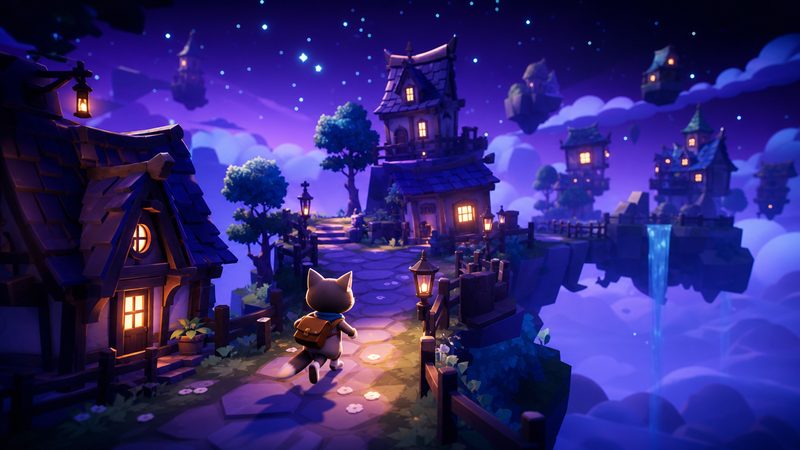
A kart racer on a frozen lake, a one-button climber with a collapsing wall, a puzzle where stacking light is the mechanic, a cozy game about a cat and the post, or a 16-bit platformer with a spin attack.

Invite-only while we build it. One email when it's your turn.

One sentence
is the whole brief
Minutes
from idea to a playable build
No install
runs in the browser, just send a link
Yours
source, assets and arcade
How it works

Four steps, and you're only involved in the first one.

The studio runs on its own virtual machine rather than handing you loose code snippets. The agent works with a full game engine, an asset pipeline, a browser for testing, and somewhere to publish.

You describe it

Give it a sentence, a paragraph, or a folder of reference images. Mention the genre, the era, the visual style, or the one mechanic that matters. It's whatever you'd tell a friend who was making it for you.

The agent builds it

A cloud machine boots with the game engine and toolchain ready. The agent writes the code, generates the art and sound, maps the controls, and assembles a complete project rather than an unfinished snippet.

It plays its own game

Before you ever see the build, the QA agent plays it. It checks that the game boots cleanly and holds its frame rate without throwing errors. Failures go back to the agent, not to you.

It ships to your arcade

The web build publishes directly to yourname.vbgnt.com. Send that link to anyone and it opens on phones, tablets, laptops, or television browsers. Online games include a lobby, so the link doubles as an invite. When you're ready for more, a single click exports desktop and mobile builds to itch.io.

What comes back

A game you can send to someone, without an explanation attached.

It plays everywhere

One web build with four ways to play. The agent wires up every control scheme while making the game, rather than bolting on ports later.

  • Phones and tablets, with actual touch controls
  • Desktop keyboard and mouse
  • Gamepads through the browser Gamepad API
  • TV and console browsers, fully usable with a D-pad

It's a real project

Under the hood sits an ordinary project with standard files. Unlike a closed AI game maker, you can inspect every line of code and take all of it with you.

  • Browse and edit the source in the studio
  • Download the whole project as a zip file
  • Open it in the engine on your own machine
  • Fork the game and take it in your own direction

It has an address

Every account gets a vanity arcade on its own subdomain. It shows off your games like a console dashboard instead of a bare file listing.

  • yourname.vbgnt.com, claimed once and yours permanently
  • Hero shelf and cover art, with direct links to each game
  • Clear navigation using arrow keys or a gamepad
  • Zero downloads or installs for anyone who visits
  • Play counts and total time, visible only to you

It plays with friends

Ask for online co-op or versus, and the studio builds the lobbies and room codes right alongside the game.

  • One person hosts, and up to seven others join with a 4-letter code
  • Invite links that open the game and connect players in one go
  • Browser-to-browser connections with no accounts or downloads
  • Works across web builds, desktop exports, and mobile
Your arcade at yourname.vbgnt.com. This is the page people see when you hand them a link.
The studio

One conversation, with the whole project underneath.

Every game is a chat thread on the left and a real project on the right. Ask for a change and watch the steps land. Open the files if you want to see what it did, or edit them yourself and carry on talking.

✓Games run in parallel. Start one, keep talking to another
✓Every build step is visible as it happens, not hidden behind a spinner
✓Browse and edit the source, or download the whole project
✓Play the current build without leaving the page
Under the hood

From idea to launch on one cloud workstation.

vbgnt is a professional cloud game development workstation. Design, development, QA and marketing each run as their own pipeline with a specialist AI agent behind it, and every pipeline works on the same project, so nothing gets lost between stages.

Workstation
A dedicated cloud workspace for every project. Nothing to install, nothing to configure, and it picks up right where you left off on any machine.
Design
The design agent turns your idea into a game plan, an art direction, and a style brief before a line of code is written.
Development
The development agent builds on a production game engine for 2D and 3D. You get a real project you own, not a template or a toy.
Art & audio
Sprites, 3D models, animation, music, and sound, made to match the style brief so the game looks and sounds like one piece of work.
QA
The QA agent playtests every build before you see it. Crashes, slowdowns, and broken screens get fixed without you asking.
Performance
Frame-by-frame profiling on a real GPU. The agent measures frame times, finds the scripts and scenes that cost the most, and tunes the game until it holds its frame rate with room to spare.
Iteration
Say what feels off in plain words. "Too slow, and the jump feels floaty" is a perfectly good bug report here.
Marketing
The marketing agent builds the release kit: trailer, store art, screenshots, and listing copy. The promote agent turns it into a social campaign of shorts and scheduled posts.
Release
Windows, macOS, Linux, Android, iOS and web from one project, plus a shareable link on your own arcade.
Your assistant
Already live in an AI chat app? Connect it to your account to start games, check builds, and manage your arcade without leaving the conversation.
Every asset, generated

Nobody drew any of this.

Code is only half the job. A game also needs a rigged character that runs, sprites for each enemy, materials that tile, and walk cycles that loop cleanly. As an AI game maker, the studio builds those too in the single run that writes the code. Everything below comes straight out of finished builds, at the exact resolution the game ships.

Rigged and animated in 3D

skeleton, skin weights, and a run clip that loops
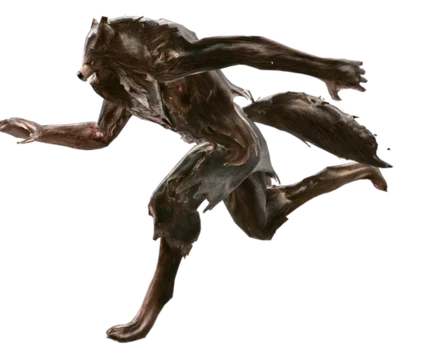
A werewolf mid-sprint, one frame of its run cycle.
beast · run cycle, 0.5s loop
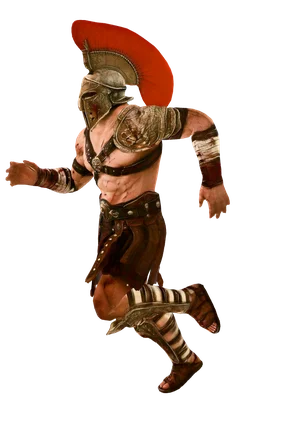
A crested gladiator mid-stride, one frame of its run cycle.
champion · run cycle, 0.67s loop

Models you can pick up

click any of them
DRAG TO SPIN A tabby cat in a mail carrier's cap and satchel.
mail cat · rigged
DRAG TO SPIN An ornate wrought-iron street lantern.
street lantern
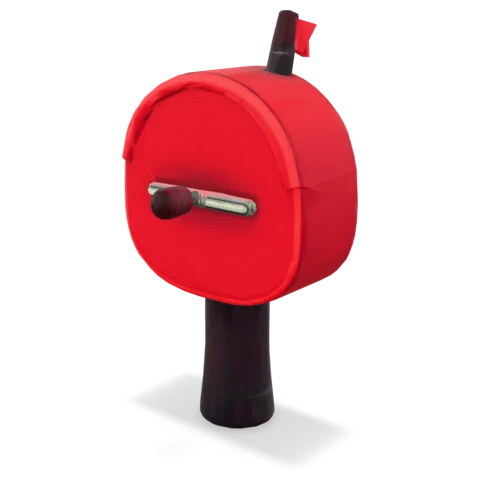
DRAG TO SPIN A red mailbox with its flag raised.
mailbox
DRAG TO SPIN A translucent cyan star-shaped crystal.
star shard · pickup
DRAG TO SPIN A pale translucent jellyfish.
jellyfish

Materials, not just pictures

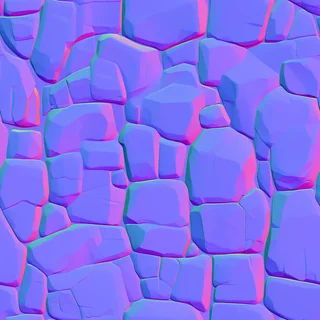
base colour, normal and roughness, tiling seamlessly
grass base colour map
base
grass normal map
normal
grass roughness map
rough
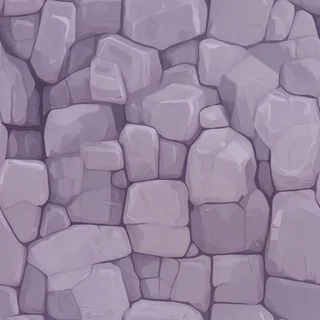
cliff rock base colour map
base
cliff rock normal map
normal
cliff rock roughness map
rough
planking base colour map
base
planking normal map
normal
planking roughness map
rough

Hand-painted 2D, minus the hand

one cast, one palette, one light source
A cloaked figure carrying a small lantern.
player + lamp
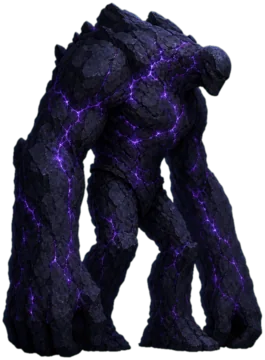
A hulking stone warden veined with violet light.
warden
A low, many-legged crawler.
crawler
A dark moth with glowing wing markings.
moth
An ornate lantern glowing violet.
lantern
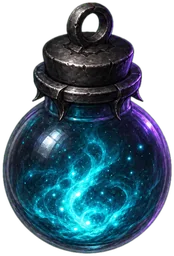
A glass flask holding swirling cyan light.
reservoir
A violet crystal shard.
shard
A standing stone marked with a glowing spiral.
shrine

Ask for a different look, get a different look

a second art direction, same pipeline
walk cycle · 6 frames, 64px
Pixel character standing.
A pixel lamp.
A pixel altar.
A pixel lever, thrown.
A pixel door.
A pixel ladder.
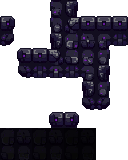
The game's tileset sheet, every wall and floor tile on one page.
tileset sheet

Pixel art, on the pixel grid

drawn on the grid, animating the way the engine plays it
goblin · 4 frames
skeleton · 4 frames
hero · 6 frames
orc · 6 frames
knight · 6 frames
A pixel wall torch.
A pixel barrel.
A pixel crate.
A pixel statue.
A pixel throne.
A pixel sword pickup.

Audio works the same way: music and effects are generated in that same pass. It is easier to hear than describe, so give them a listen in the demo arcade.

Your arcade

Every player gets an address.

Your games don't land in a shared feed. They live on your own subdomain, laid out like a console dashboard with big cover art, a hero shelf, and controls that respond to a thumb or a D-pad. Claim a name and it's permanent, so you have an address you can actually send to people. When you want strangers to find a game too, star it and it joins the games directory, one game at a time, strictly on your say-so.

✓Claim your address once, and it stays yours
✓Direct links to each game, so you can share just one
✓Runs in a TV browser without fighting the remote
✓Nothing for your friends to install or sign up for
✓Private stats on views, players, plays, and playtime
✓Online high score tables in every game that keeps score
✓Star a game to list it in the directory across all arcades, or keep it just for your people

Claim your name → See a live arcade ↗ Browse the directory ↗

The game page

Give strangers a proper page before asking them to play.

Every game page on games.vbgnt.com carries your hero art, screenshots, a trailer when the kit has one, controls, and sections explaining how to play and key features. You don't have to assemble any of it by hand. In the Publish pane, generate a Marketing kit. The studio captures the images, drafts the copy, and applies your game's colour theme. Once you review the preview, press Publish page to put the public address live.

✓Play in your browser button alongside direct file downloads and store links
✓A readable web address at games.vbgnt.com/p/your-game-name
✓Rich link previews with art and blurbs in iMessage, Slack, Discord, and X
✓Listed automatically in the games directory sitemap so Google can index it
✓A share link at yourname.vbgnt.com/g/your-game-name that opens straight into your arcade
✓Unpublish with one click, and old links continue working even after a rename

Request an invite → Read about game pages

Pages render from a fixed template using the assets generated in your Marketing kit.

Live pages, built from Marketing kits

Each one was generated from the game's Marketing kit and published with one button. Open any of them.

Launch and promote

Ship the game, then tell people about it.

Every game gets two panes for this. The Marketing kit, in the Publish pane, gets a game ready for release. The Promote pane takes it from there and builds a whole social campaign around the launch or your next update, cut from real gameplay and planned day by day.

Marketing kitEverything a release needs: store screenshots at every size, capsules, icons and feature art, listing copy for each store, a trailer, and the game's own page.
PromoteEverything the launch needs: vertical shorts, a YouTube cut, written posts, the right subreddits, and a schedule that runs from 1 to 60 days.
✓Shorts for TikTok, Instagram Reels and YouTube Shorts, with a hook in the first second
✓Captions, titles and hashtags written for each channel
✓Subreddits researched with their rules checked, plus a draft for each one
✓Posts and short threads for X, paired with the videos
✓Approve the posts you like and they go out on schedule to your connected accounts
✓Not quite right? Say what to change and the campaign is revised in place
✓Promote a single game or a whole collection from your arcade

Request an invite →

Straight out of Promote

Four shorts from the first campaigns, unedited. The openers are AI-generated because the owners asked for them; everything after the cut is the game itself. Sound on for the voice-over. How they were made

Bubble shooter · class spotlight
Roll-up game · day-two short
Idle game · gameplay only, no AI opener
Merge puzzle · launch short
Know who played

The numbers belong to you. Nobody else sees them.

You'll find simple stats right above your games in the studio. You can see how many people opened your arcade, how many started a game, which titles they picked, and how long they stayed. It also shows whether they played in a browser, on a phone, or in a Windows build you exported. The arcade itself shows none of this to visitors. There aren't any tracking cookies or stored addresses, and we never run third-party scripts.

The one number players do see is the one they came for. A game that keeps score gets an online high score table, inside the game where it belongs. The server times every run, holds scores that look impossible until you've had a look, and swaps rude names for "Player".

✓Views, players, plays, and playtime over 7, 30, or 90 days
✓A play count on every game card, so you can decide how to arrange your shelf
✓Counts desktop and mobile exports too, split by platform
✓No tracking across days, and nothing public unless you list a game in the directory
✓High score tables with runs timed by the server and suspect scores held for your review

How it counts, and what it refuses to ↗

Bring your own assistant

Your assistant can run the studio for you.

vbgnt is an MCP server. Connect it to ChatGPT or any assistant that speaks the protocol. Sign in once, and that assistant can make games on your account from wherever you already talk to it. The story you wrote together becomes a game, a lesson plan turns into ten of them, and exports run on a schedule.

✓Create games, send changes, follow builds, and share the link
✓Manage your arcade: claim a name, reorder the shelf, read the numbers
✓Export for desktop and mobile, then push to itch.io
✓A proper sign-in and permission page, the kind brokerages use for AI connectors
✓Assistants can never set or read your keys

https://api.vbgnt.com/mcp

Set up your assistant → Why we built it ↗

From the blog

Recent notes from the workshop.

How the studio works, what it ships, and how to get a game from a sentence to a store page.

Engine

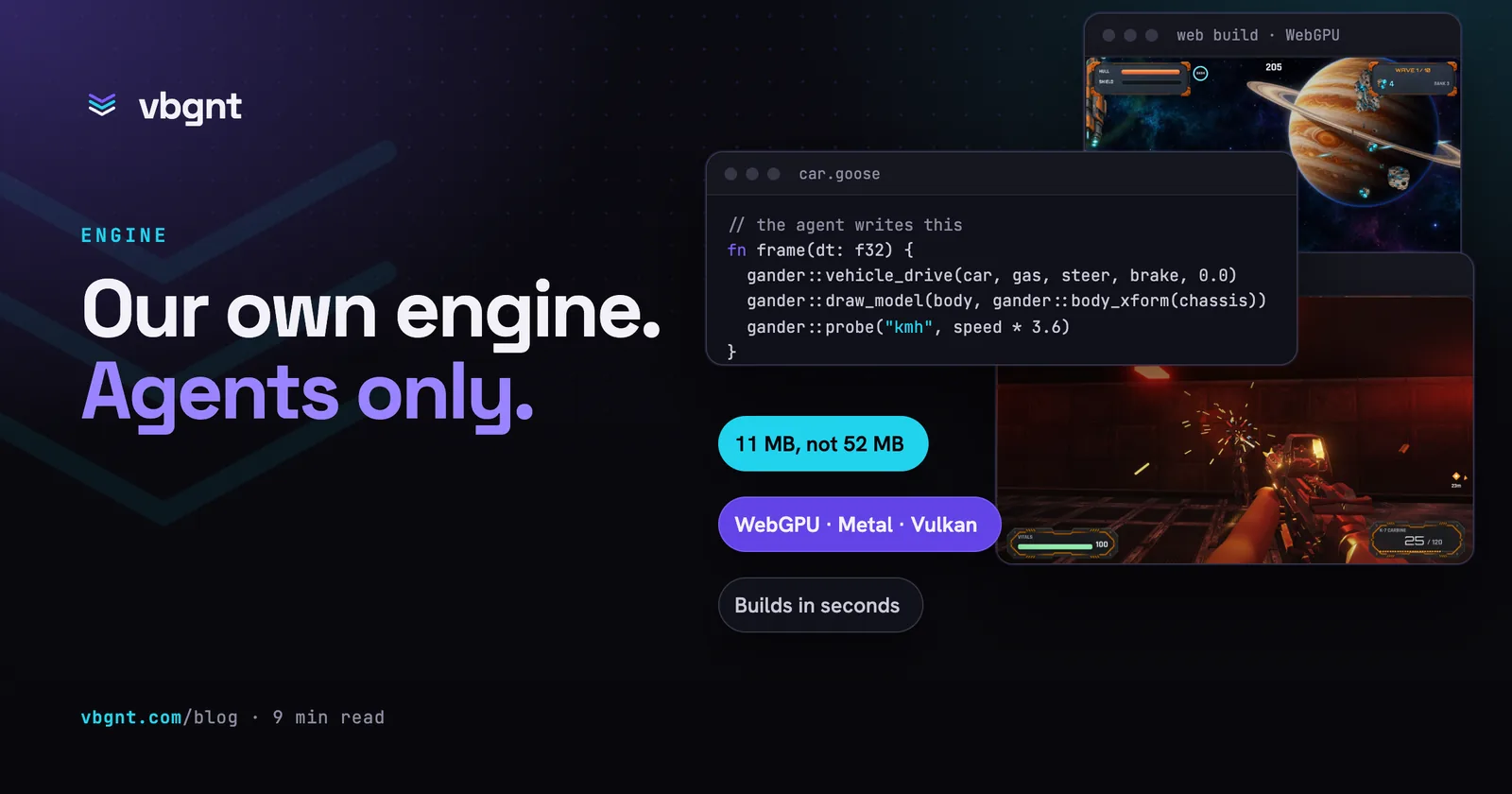
GANDER: our own game engine, and no human will write a line of code for it

We built a game engine for one reader: the agent. It runs in the browser and on desktops, builds in seconds, tests its own games, and loads a fraction of the size of the same game in Godot.

10 min read
Shipping

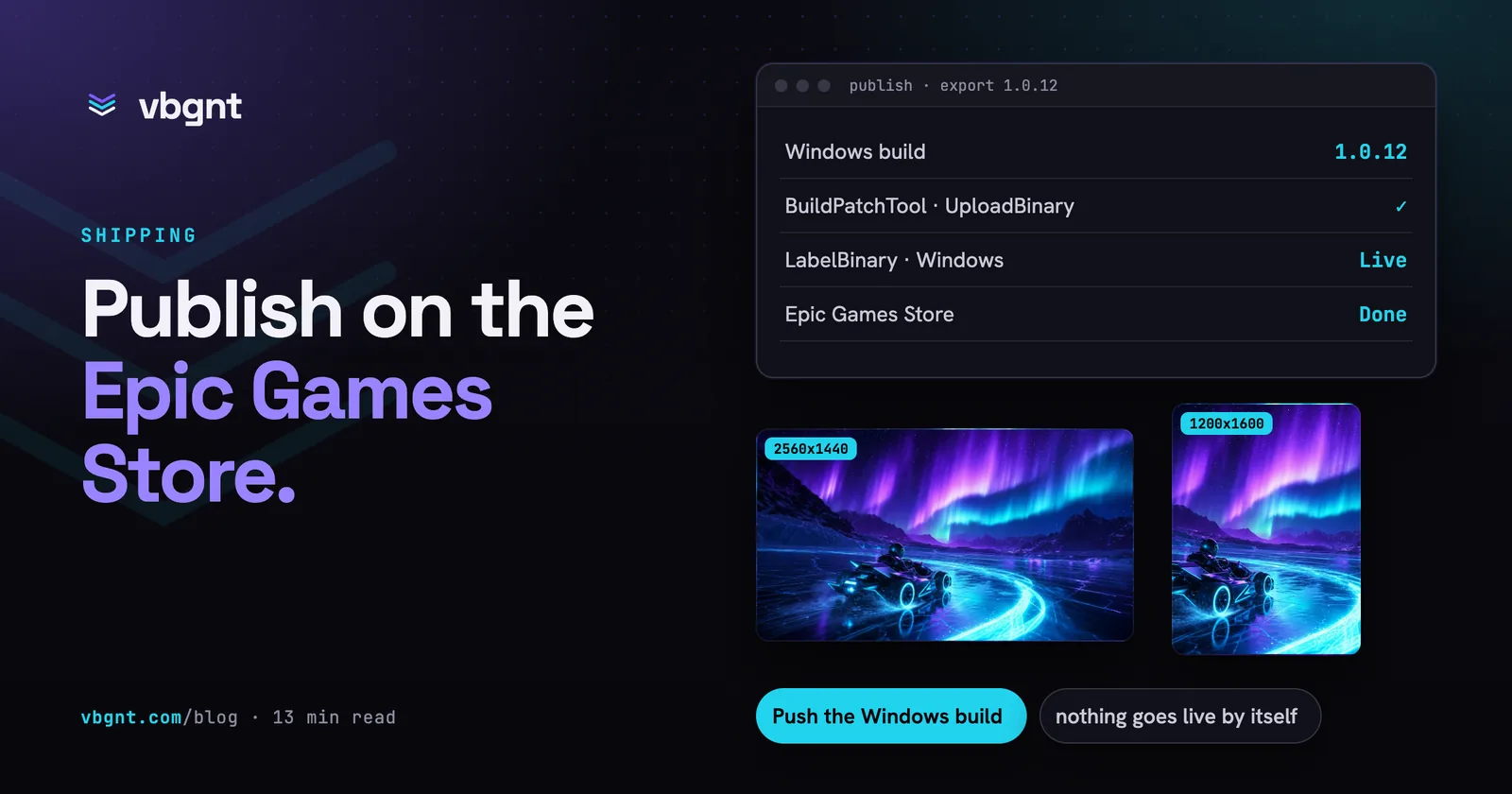
How to publish a Godot game on the Epic Games Store

Epic takes the Windows build, any engine welcome. The studio now uploads and labels it for you; the organisation, the store page and the review are still yours.

13 min read
Shipping

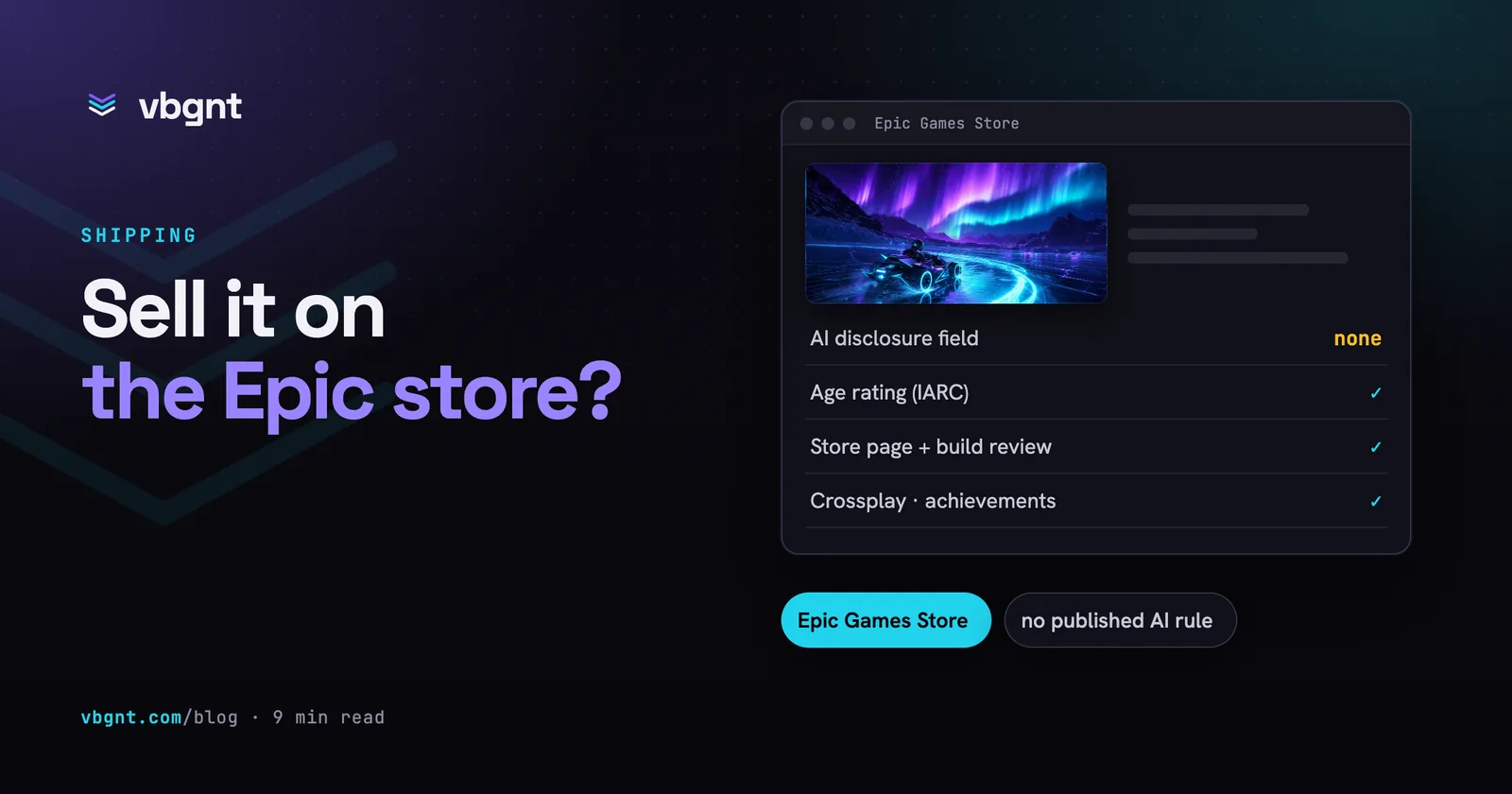
Can you sell an AI-generated game on the Epic Games Store?

Yes, and unlike Steam, Epic has published no AI disclosure rule. What its CEO has said instead, and the rules that apply whether or not AI made the game.

9 min read
Feature

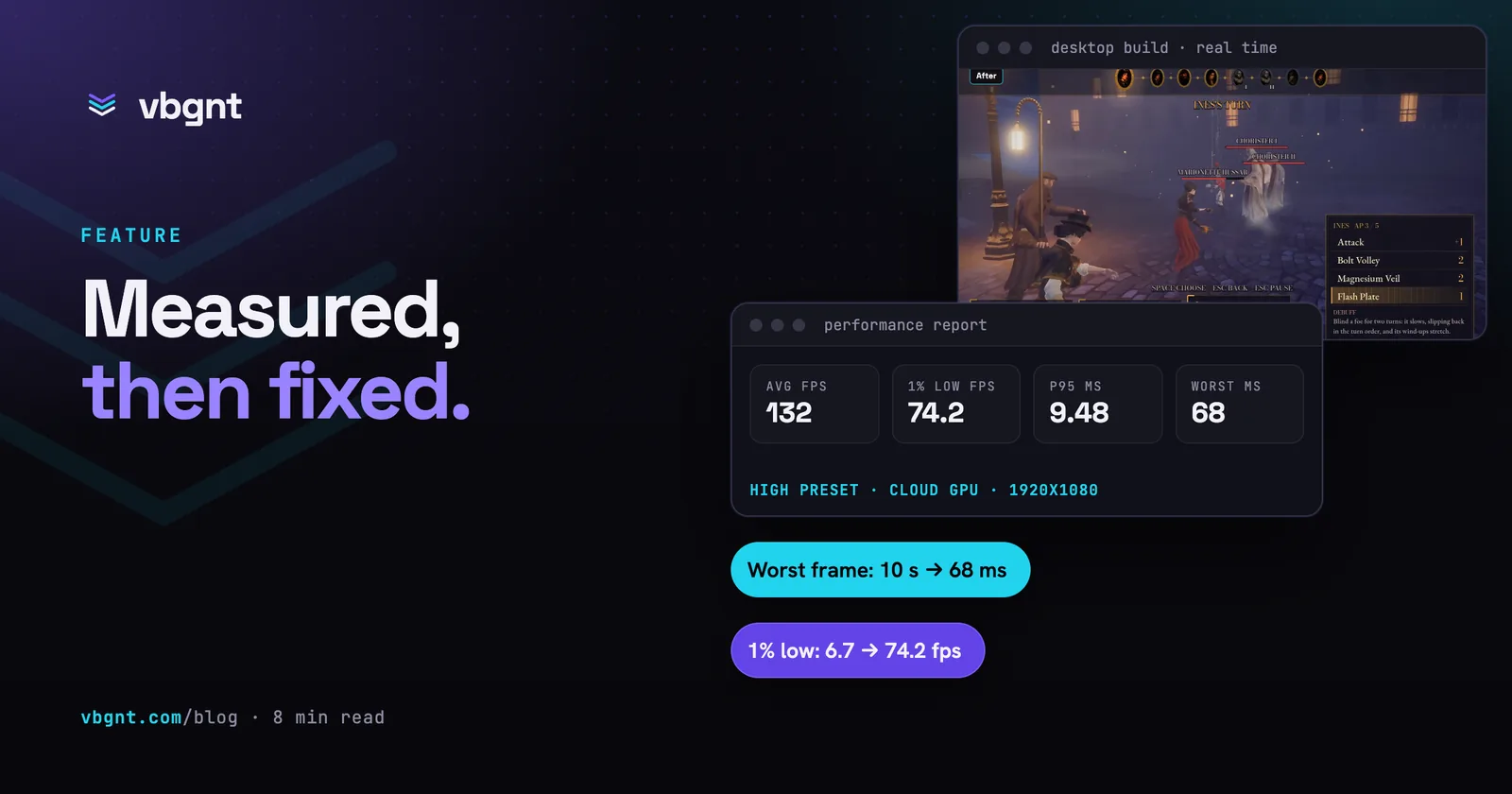
Performance checks: the agent measures your game's frame rate, then fixes it

The studio can now profile a game on a cloud GPU in real time: frame rate, the 1% low, the worst frames and where each frame's time goes. We gave two games one performance turn each. One had a ten-second freeze nobody had seen.

8 min read
Feature

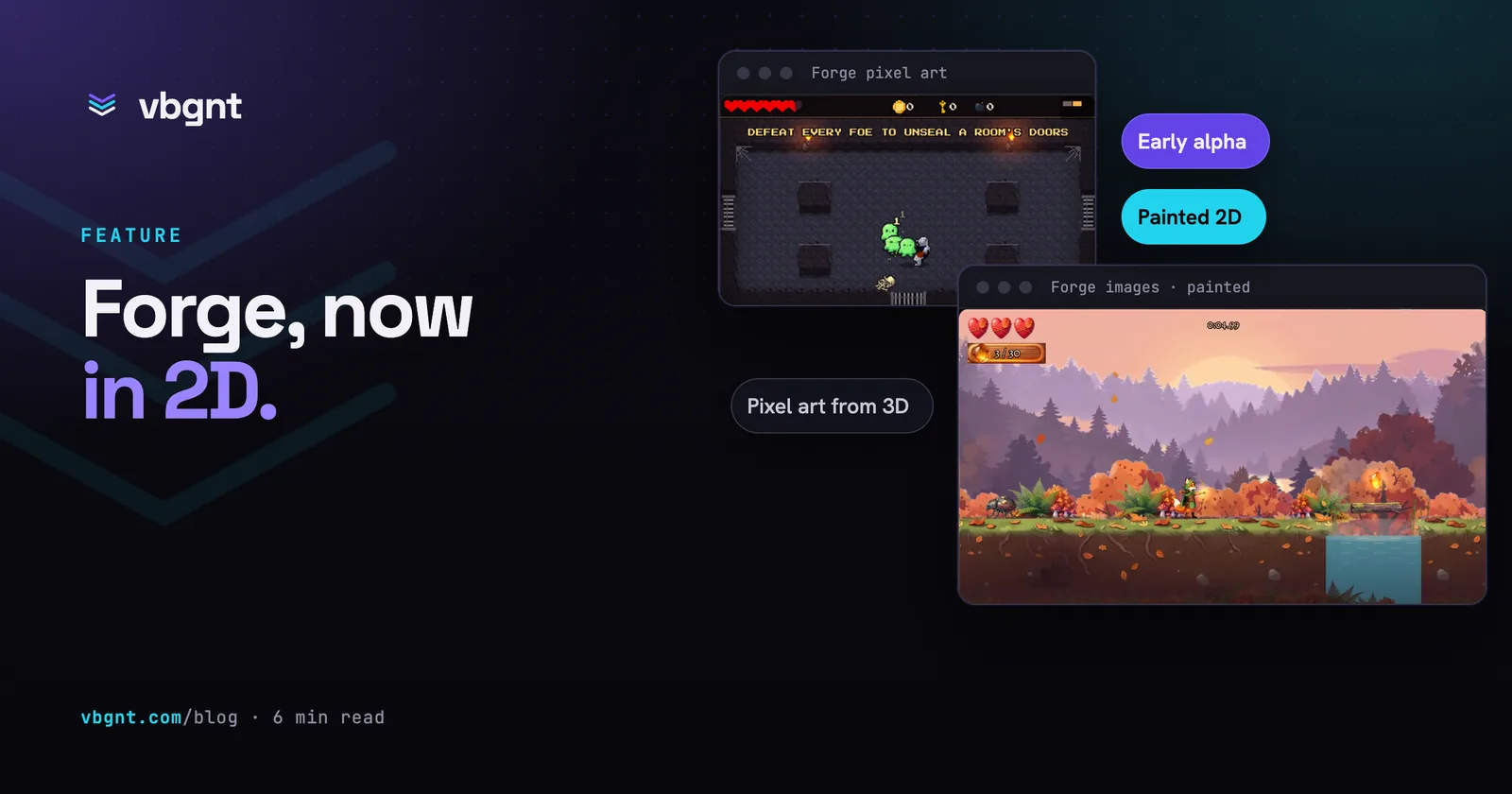
vbgnt Forge for 2D: painted and pixel art, in early alpha

Forge now makes 2D art: painted art in place of GPT Image and pixel art in place of PixelLab. We built the same two games with and without it, and here is how an early alpha compares with the state of the art.

6 min read
Feature

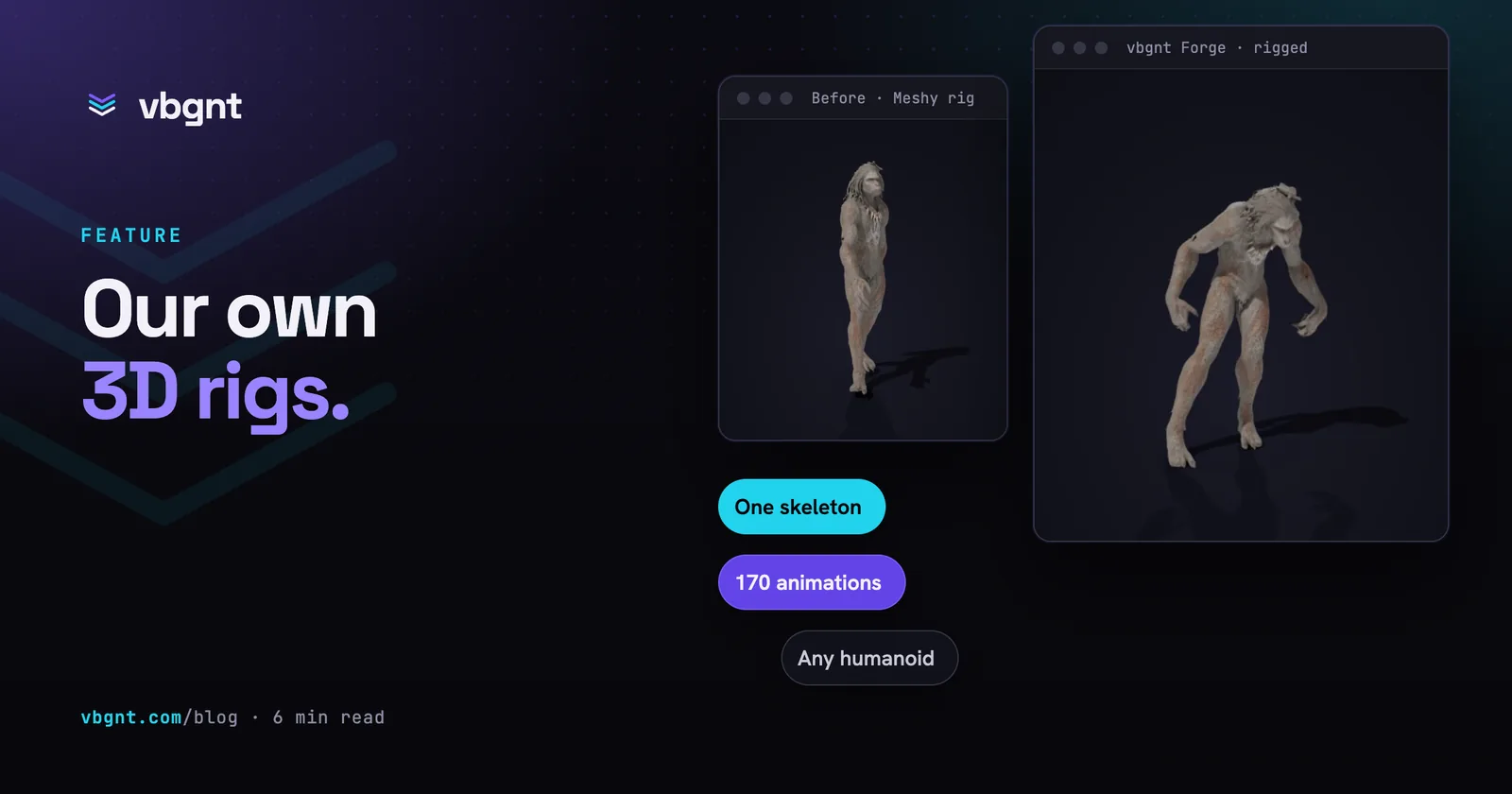
vbgnt Forge: our own 3D models, rigging and animation

Forge is the studio's own 3D asset pipeline. It rigs any humanoid onto one shared skeleton with a 170-clip animation library, and it can make the models too. It's an early alpha; here it is side by side with the Meshy rigs it replaces, and a whole game built both ways.

6 min read

All articles →

Watch the series

Every feature, on video.

Short episodes that walk through the studio one feature at a time, from a first game to a launch.

Episode 1

Make a Game with AI From One Sentence

Episode 2

How to Write a Game Brief for AI (Pixel Art Game from Concept Art)

Episode 3

Make a 3D Game with AI: Models, Animation and Materials

Episode 4

Never Lose a Good Version: Builds, Versions and Forks in the vbgnt Studio

Episode 5

Make an Online Multiplayer Game with AI (Just Ask for It)

Episode 6

Your Own Game Arcade: Address, Directory, Collections and Stats

Episode 7

Browser Game to Desktop Graphics with AI: Pro Mode in the vbgnt Studio

Episode 8

Ship Your AI-Made Game: Desktop Builds, Store Art, a Trailer and a Game Page

Episode 9

Promote Your AI-Made Game: Shorts, Reddit Posts and a Launch Schedule

Episode 10

Make Games From Claude, ChatGPT, Codex or Cursor: Connect vbgnt Over MCP

Episode 11

Run Your Whole Game Studio From Claude: Code, Exports, Trailers and Launch Over MCP

Episode 12

Making a AAA-style Military FPS with AI (Dev Diary)

Episode 13

Making a AAA-Style Turn-Based RPG with AI: a Dev Diary in 9 Turns

Episode 14

Cloud GPU Rendering and Streaming for AI-Made Games

Episode 15

Measuring and Fixing Combat Performance in AI-Made Games

Watch the full playlist on YouTube ↗

FAQ

Questions people actually ask.

Can I use AI to make a game?

Yes. You write a short description in plain text, and vbgnt builds the project on its cloud game development workstation. The studio writes the code, generates the art and audio, playtests the build, and publishes it straight to your arcade. Anyone can play it immediately on a phone, a computer or a television through a web link. How to write the brief.

How long does a game take?

A first playable build usually lands in minutes rather than hours. A small 2D project comes together faster than a 3D one, and generating lots of art takes longer than generating just a little. Changes after that are faster still, because the project and the machine are already warm.

Does it make 2D or 3D games?

It makes both. For 3D games, the studio builds models, tiling materials, and rigged, animated characters. For 2D games, it generates pixel art aligned to the pixel grid or hand-painted sprites. A small 2D title finishes faster than a 3D one, but both export to WebAssembly and run in the browser across phones, desktops, televisions and gamepads without extra setup.

Do I need to know how to code?

No. You talk to the studio in plain English. Bug reports like "the jump feels floaty" are the ones the studio handles best. If you do code, your project files are right there. You can browse them in the browser, or download the zip and keep working on your own machine.

Can I take the project with me?

Yes. Every game is a standard game engine project made of ordinary files. You can download the whole project as a zip at any time and run it on your own computer. Nothing about the build depends on the studio once it's exported.

Where do the graphics and sound come from?

They're generated specifically for your game from its style brief, including 2D sprites, tilesets, 3D models, textures, and audio. You can also upload reference images alongside your prompt if you have a distinct look in mind, and the studio will work to those.

Can I make a game based on my favourite franchise?

Not one that reproduces someone else's characters, art, voices, or music. Those games can't be shared or published, which defeats the point of an arcade with a public address. Genres and eras are fair game. Prompts asking for something "in the spirit of" an old favourite work well. The studio is good at 90s-shareware energy and 16-bit mascot platformers without borrowing anyone's cast.

Can I put my game on itch.io, Steam or the app stores?

Yes. Every game includes a Publish pane that exports Windows, macOS, Linux, Android, iOS and web packages from the current project. Builds compile on a dedicated machine while you carry on working. Add your itch.io key, and that same click pushes the builds to your itch.io page. Steam and the mobile stores take the exported packages from there. The guides on our blog walk through each one.

Can I play a game online with friends?

Yes. Ask for "online co-op" or "four-player online versus" in your brief and the game arrives with a lobby. One player hosts to get a four-letter room code and a link. Everyone else joins by entering that code or opening the link. Matches run browser to browser with no accounts and nothing to install. It's built for playing with people you know. There's no matchmaking queue for strangers yet, and if the host leaves the match ends. Two people sharing one keyboard is a different request, and the studio handles that too. How online play works.

Can ChatGPT or another AI assistant make a game for me?

Yes. The studio runs an MCP server at https://api.vbgnt.com/mcp. Add it to ChatGPT as a connector, or connect from any assistant that supports the protocol. A vbgnt screen asks you to sign in and shows which assistant is asking and what permissions it needs across games, arcade, exports, or your account. After you click Allow, the assistant can create games, send changes, track builds, and run exports on your account alone. It can never read or set your keys. Those live strictly in the studio's Settings. Setup for each assistant, with example phrases.

Can I see how many people played my games?

Yes, and only you can. The studio shows visits to your arcade, daily player totals, games started, and overall playtime across rolling 7, 30, or 90-day windows. You'll see your most played games alongside a platform breakdown, covering plays inside exported Windows, macOS, Linux, Android, and iOS builds. It uses no cookies and stores no IP addresses. Visitors are counted anonymously using a hash that changes every day. Your public arcade page shows no view counts and ranks nothing by traffic. How it counts.

Can my games have online high scores?

Yes. When a game keeps score or times a run, the studio gives it an online high score table: players enter a name at the end of a run and see where they placed, and the game falls back to a table on the device when it is offline. Names that read as offensive are shown as "Player". The server times each run by its own clock and checks scores against limits written into the game's own files, and a score that looks impossible is shown only to the player who sent it until you approve it in the game's Stats pane, where you can also delete any entry or reset a board. How the tables work.

How much does it cost?

We don't have a public price list yet. The studio is invite-only while we build it, so there is nothing to buy on the site today. If you want a straight answer about cost, email us at hello@vbgnt.com.

Why is it invite-only?

Because a build runs on a real machine doing real work, and letting the queue outrun our capacity would make everyone's first game a bad experience. Invites go out in regular batches. Leave your email and your preferred arcade name, and we'll hold both for you.