Microdramas are the vertical soap operas that fill phone feeds: one-minute episodes, a betrayal or a secret heir in every one, and a cliffhanger at the end so you swipe to the next. They are built to be binged one thumb-length at a time, which also makes them a good shape for a game advert. Each episode earns thirty seconds of attention, and the last ten seconds can be the game.
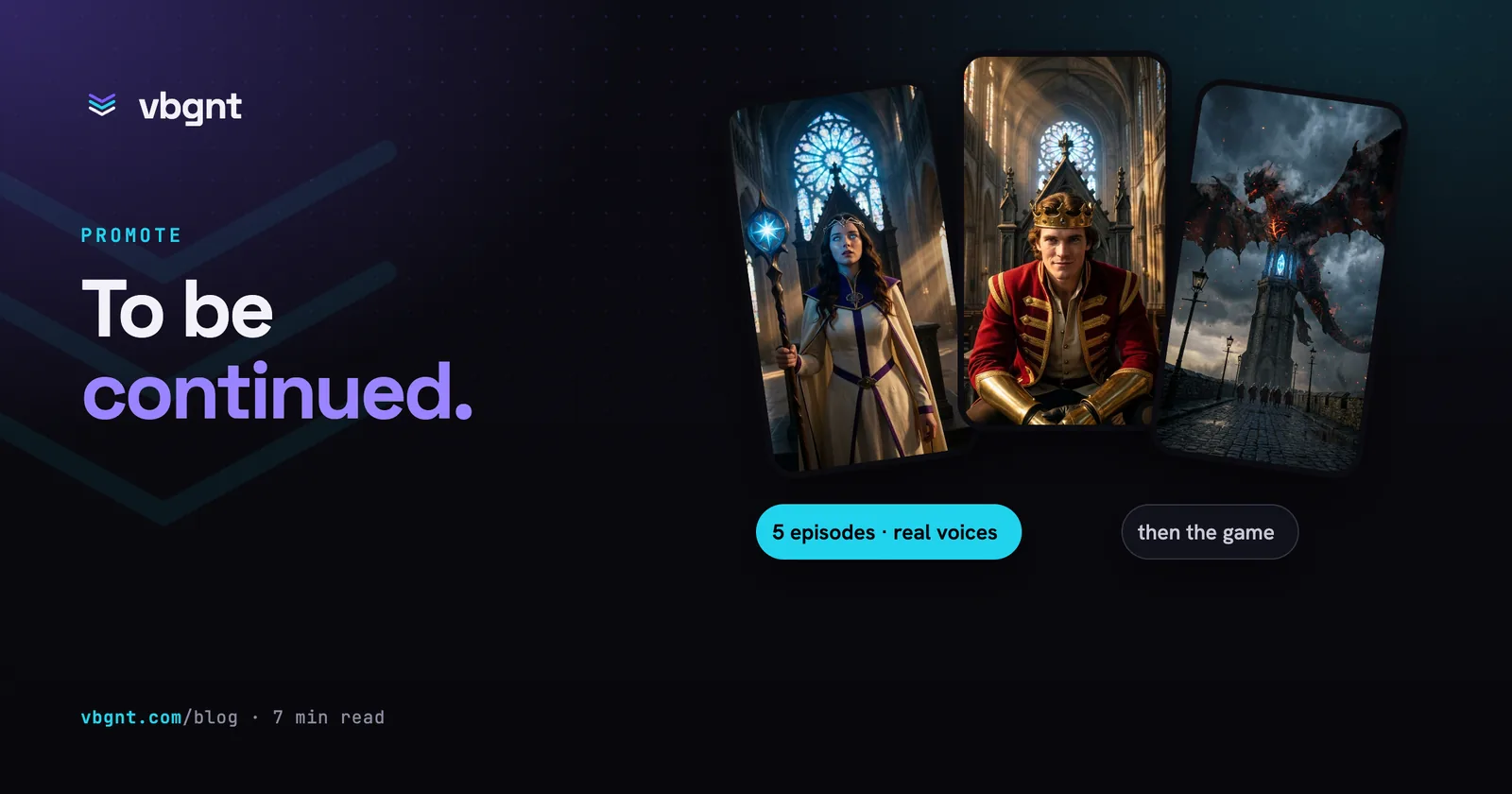
So we made one. The Pawn Who Would Be King is a five-episode live-action fantasy series starring the heroes of Pawnstorm Survive, a real-time survival battler where you command a living chess army that fights as one formation. Every episode ends on real gameplay from the game. It went out one episode a day at 7 pm Eastern on TikTok, Instagram Reels and YouTube Shorts. This post covers how it was made, what went wrong, and how to ask for one in the studio.
Where did the characters come from?
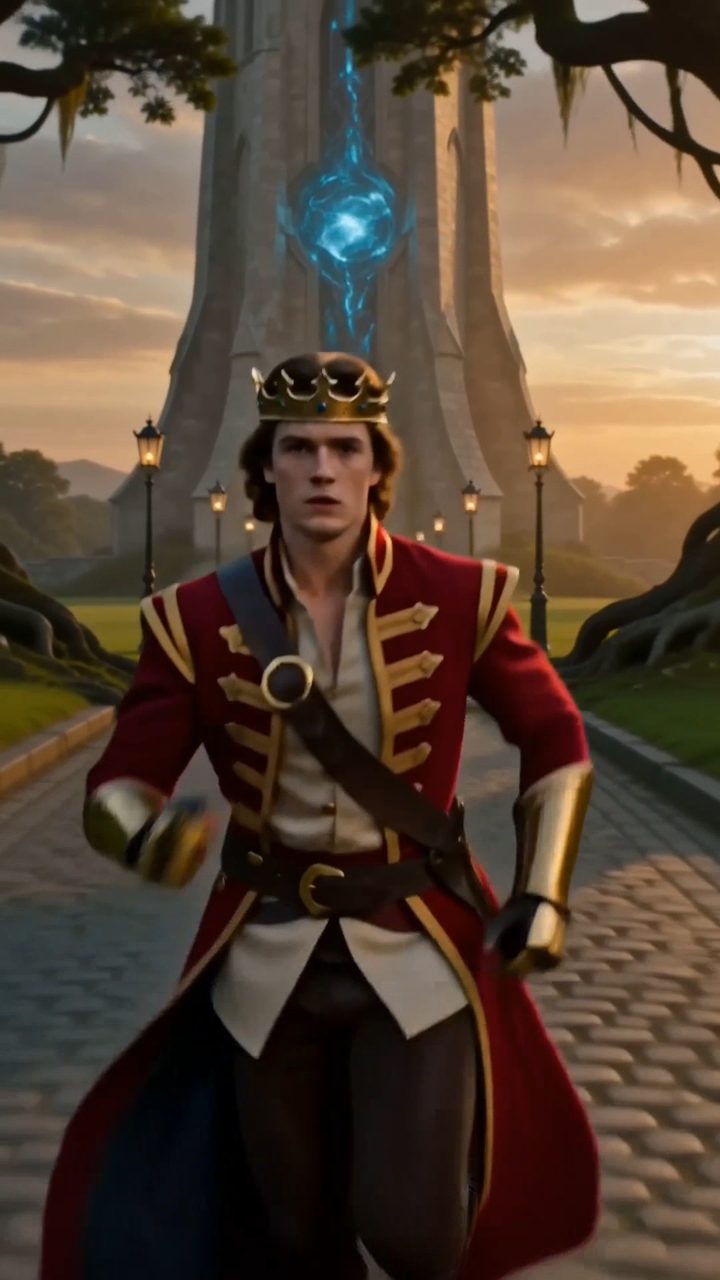
From an earlier Promote campaign. When we promoted Pawnstorm Survive, the owner asked for each short to open on its hero as if they were real: a young crowned prince in a crimson coat, a queen in violet with glowing hands, a seer with a crystal staff, a squire, a bearded spearman and a stone golem. Those five-second AI intros were good enough that the obvious next question was what these people would say to each other.
That gave the series its cast and its look before a word of script existed. The intro clips became the reference sheet. Every new shot in the series was generated from frames of them, so the prince in episode five has the same face, crown and gauntlets as the one who walked down the road in the original intro.
The series
The story is short and very melodramatic, which is the genre. The seer prophesies that "the pawn who kneels will be king". The squire turns out to be the new king's hidden older brother. The queen is promised to the king and in love with his knight. The golem has sworn an oath to the true king and refuses an order to kill. Then the storm arrives: an army of dark chess pieces, which is the swarm you fight in the game.
| Episode | The cliffhanger | The gameplay it cuts to |
|---|---|---|
| 1. The Crown | The seer points her staff at the kneeling squire | A full mixed army carving through the swarm |
| 2. The Queen's Secret | The king sees the queen with his knight: "Guards." | Aimed gravity spells pulling the swarm in |
| 3. The Stone Oath | The golem kneels to the squire instead | A level-up where a new hero is recruited |
| 4. Brother | The king raises his gauntlet at his brother | A formation ultimate going off |
| 5. Checkmate | The king takes a blade for his brother, and a dragon rises | The Obsidian Dragon awakening, then falling |
Each episode runs 25 to 39 seconds: about 30 seconds of drama, then a short fade into real gameplay with one line about what you can do in it, and an end card. The gameplay beat is matched to the episode where we could manage it, so the episode about recruitment cuts to a recruit.
How is an AI microdrama made?
It is the same pipeline as a Promote short with an AI opener, run for longer and with dialogue. We ran this one as a local test of the Promote skill before taking it into the studio, so every step below is what the campaign agent does, just with a person watching each step.
- A series bible. The cast, each character's voice, the arc, and for each episode a title, a hook, a cliffhanger and the gameplay it ends on.
- Dialogue. Three or four lines per episode, each under about six seconds, written for one specific character.
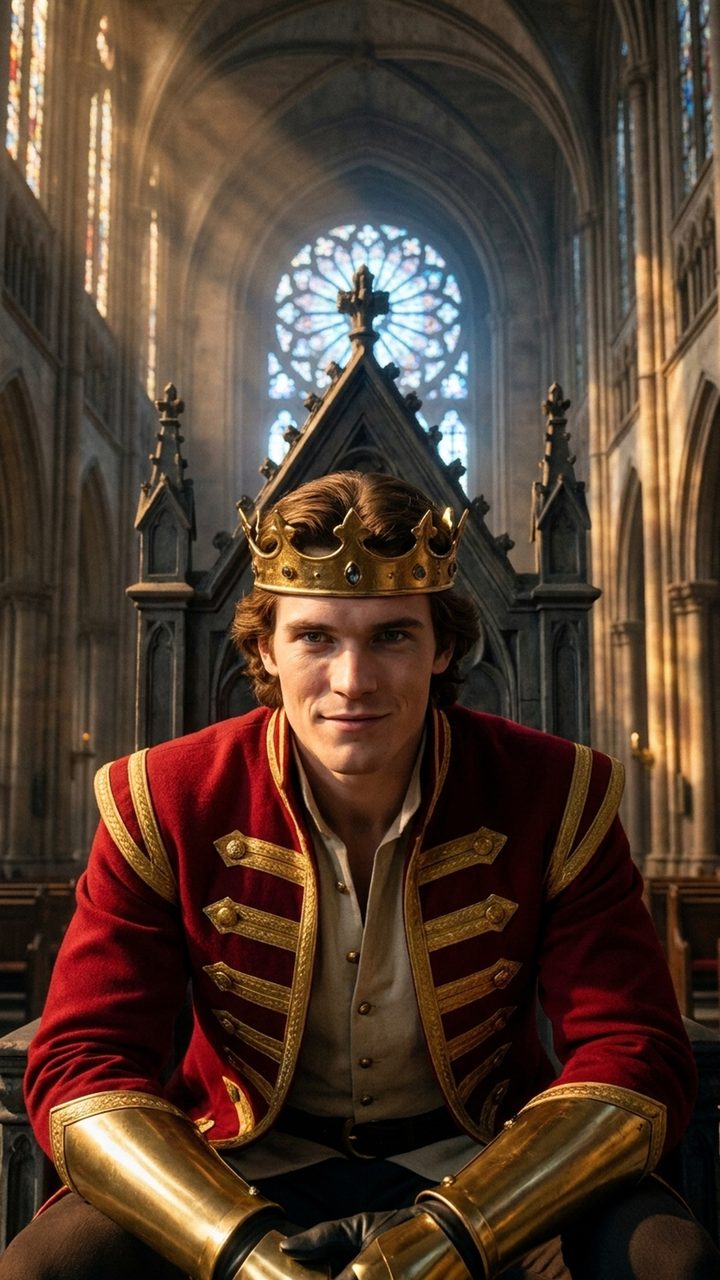
- Start frames. Six to eight shots per episode, each a still made with Gemini's image model from reference frames of the cast: a close-up of the king on his throne, the queen and the knight under a tree, the golem's face. Any frame where a face or costume drifted off-model was made again with stronger references.
- Voices. Every line is Gemini text-to-speech, one prebuilt voice per character, kept the same across all five episodes: a cold, clipped voice for the king, a low, warm one for the queen, a gravelly one pitched down for the golem.
- Shots. Each still becomes a five-to-seven-second clip with MiniMax's video model. For a speaking shot the voice line goes in as the clip's soundtrack, so the character says the line on camera and the mouth follows the words. That one detail is most of what makes it read as a drama rather than a slideshow.
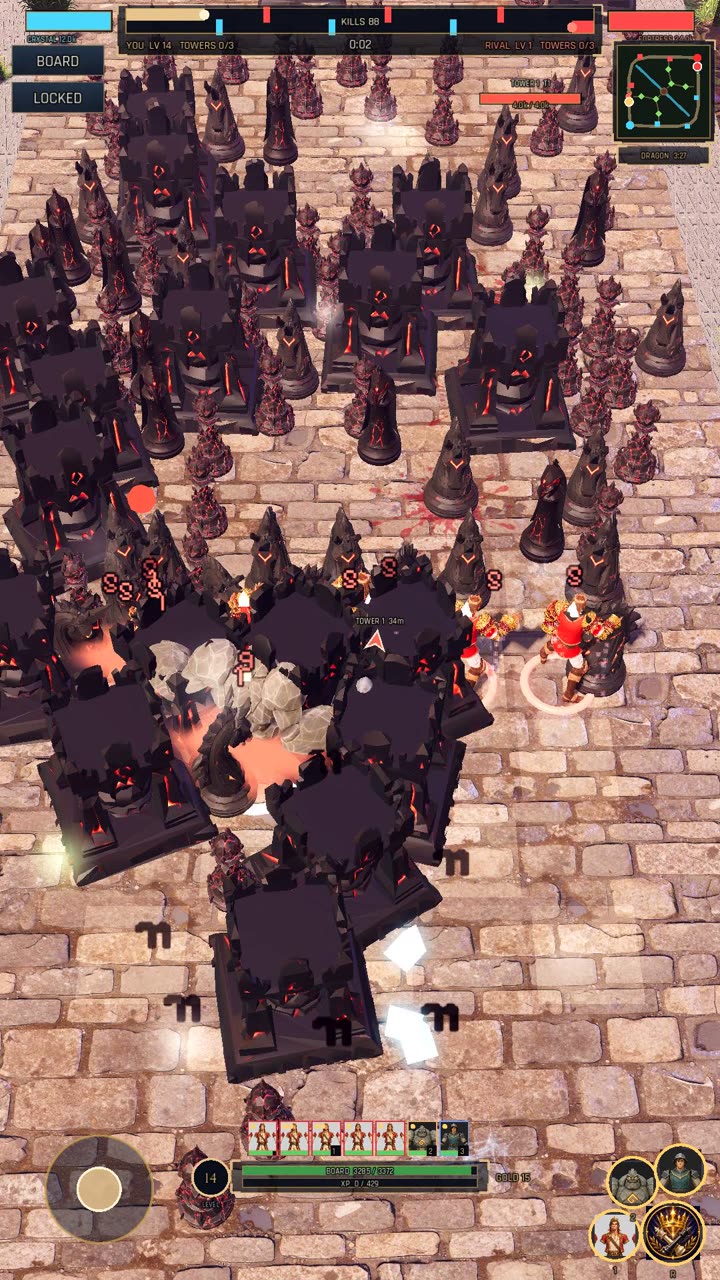
- Gameplay. The ending of each episode is recorded from the game itself with the engine's movie-maker mode, in portrait, at 30 frames per second with the game's own sound.
- The edit. Hook text with the episode number on the first frame, captions under every line, the cliffhanger held on screen, a fade into the gameplay, the end card. One generated orchestral theme runs under all five, so they sound like one show.
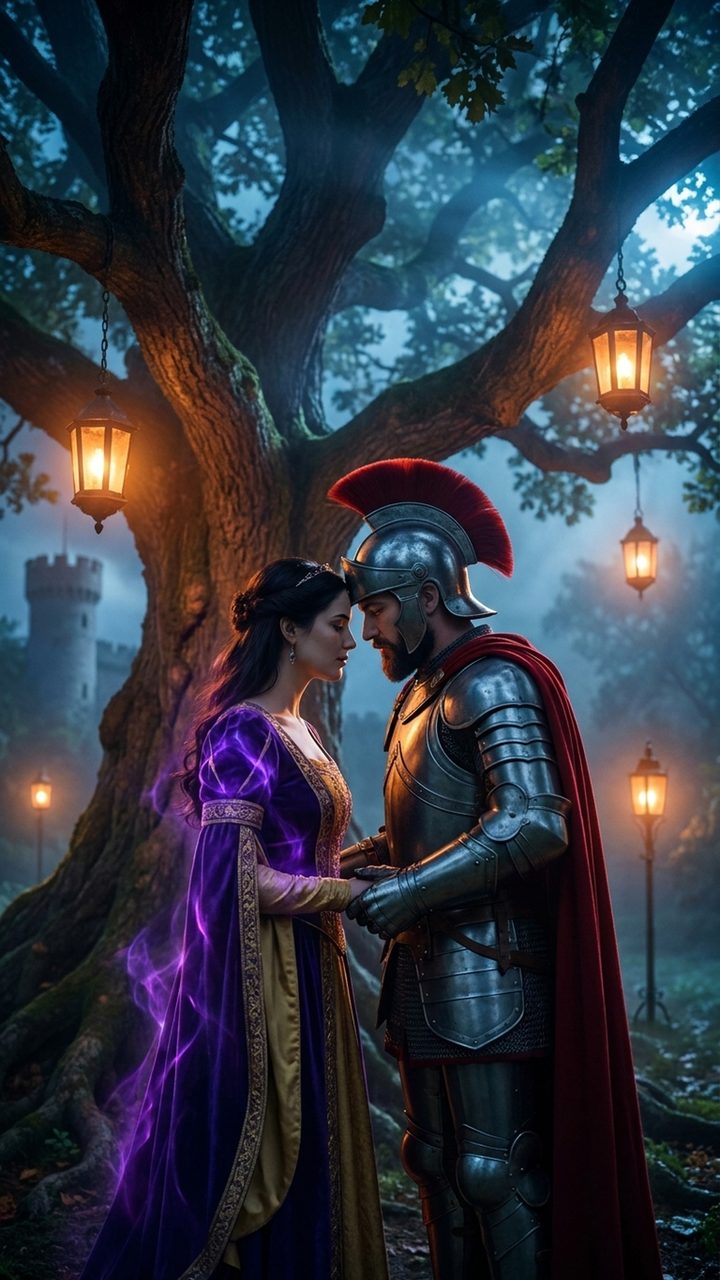
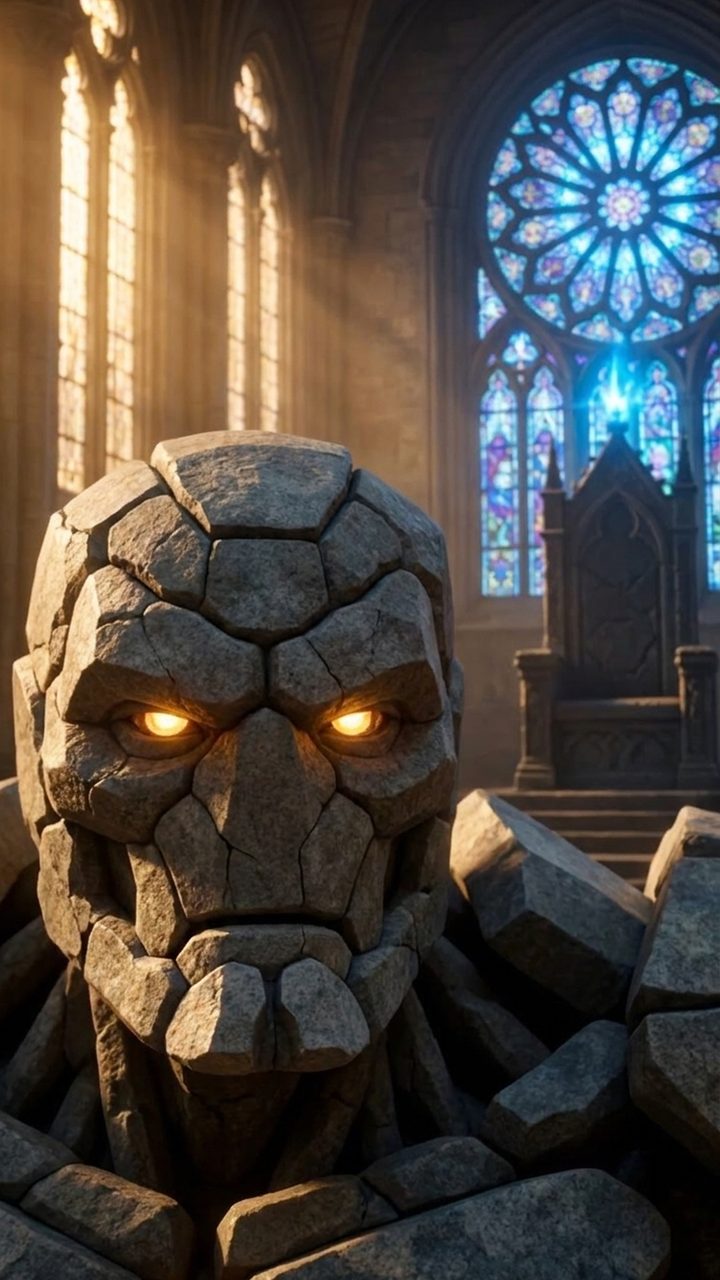
Across the five episodes that came to 37 generated stills and 32 video clips. The video, the music and the retakes cost about $15 on fal, and the images and voices a few cents on a Gemini key.
Publishing it
The five episodes became fifteen posts: one each on TikTok, Instagram and YouTube, scheduled at the same time every evening through a post scheduler, with a separate post per platform so any one can be changed or pulled without touching the others. Every caption says the video and the voices are AI-generated. The scheduler cannot switch on each platform's own AI label, so that is a tap in each app.
The YouTube descriptions carry the game's link. On TikTok and Instagram the captions say "link in bio", which is only useful if the bio points at the game before the first episode goes up.
Can I make one for my game in the studio?
Yes, through Promote. Turn on the AI hook intro and the voice-over then describe the series you want in the campaign notes: the cast, the number of episodes, the story, and which gameplay each episode should end on. The campaign agent builds the shots from your game's own art, voices the lines, cuts each episode into gameplay, and puts the episodes on the schedule like any other short.
Two things help. A game with characters who have faces works far better than one about blocks or potions, because the drama is carried by close-ups. And a game that already has a Promote campaign with AI intros has a cast to reuse, which is the step that keeps the same face from shot to shot.
Play it
Pawnstorm Survive is free to play in your browser at games.vbgnt.com/p/pawnstorm-survive. There is no story mode: the drama exists only in the adverts. The chess army is real.
Frequently asked questions
What is a microdrama?
A vertical drama series told in very short episodes, usually under two minutes, made to be watched on a phone. Each episode ends on a cliffhanger so the viewer moves straight to the next. The format comes from serial apps and short-video feeds, where whole seasons are released as dozens of one-minute parts.
Can AI make a microdrama with consistent characters?
Yes, if every shot starts from the same references. For The Pawn Who Would Be King, each new shot was a still generated from frames of the characters' earlier intro clips, then animated. Shots where a face or costume drifted were regenerated with stronger references, usually an earlier good frame of the same character.
How do the characters speak on camera?
Each line is generated first with Gemini text-to-speech, using one prebuilt voice per character. That audio is passed to MiniMax's video model as the clip's soundtrack along with the exact words in the prompt, and the model animates the mouth to the line. A separate lip-sync pass exists for takes that drift, but this series did not need it.
How much does an AI microdrama cost to make?
This five-episode series cost about $15 on fal for 32 video clips, a music theme and a handful of retakes, plus a few cents of Gemini usage for the stills and the voices. The larger cost is time spent looking at every shot and redoing the ones that warped.
Is the gameplay at the end of each episode real?
Yes. It was recorded from Pawnstorm Survive with the Godot engine's movie-maker mode, with the game's real HUD, effects and sound. The scenes were staged the way trailer footage usually is: the army starts with a head start, the swarms are dense, and the dragon has extra health so the fight is long enough to film.
Can I make a microdrama for my own game in vbgnt?
Yes, with Promote. Turn on the AI hook intro (it needs a fal key in Settings) and the voice-over (it uses your Gemini key), and describe the series in the campaign notes: the cast, the number of episodes, the story, and the gameplay each episode should end on. Games with characters who have faces work best, because the drama is carried by close-ups.