Can I use AI to make a game?
Yes. You write a short description in plain text, and vbgnt builds
the project using the Godot 4 engine. The studio writes the code,
generates the art and audio, tests that the build runs in a headless
browser, and publishes it straight to your arcade. Anyone can play it immediately on a phone, a computer or a
television through a web link.
How to write
the brief.
How long does a game take?
A first playable build usually lands in minutes rather than hours. A small 2D project comes together faster than a 3D one, and generating lots of art takes longer than generating just a little. Changes after that are faster still, because the project and the machine are already warm.
Does it make 2D or 3D games?
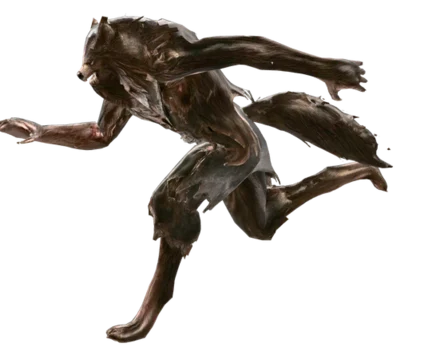
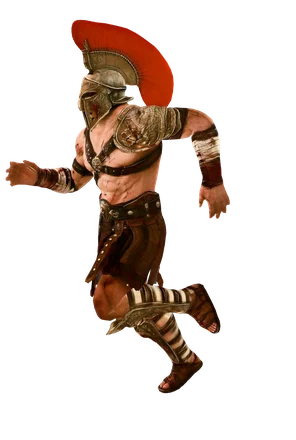
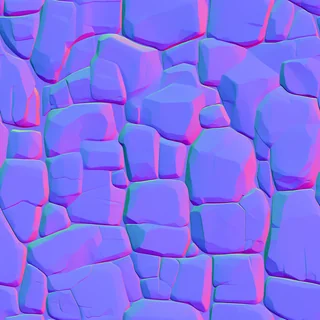
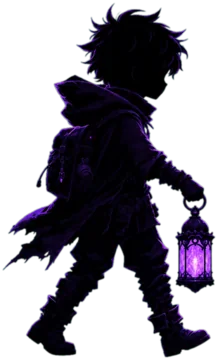
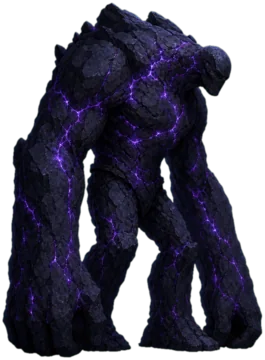
It makes both. For 3D games, the studio builds models, tiling
materials, and rigged, animated characters. For 2D games, it
generates pixel art aligned to the pixel grid or hand-painted
sprites. A small 2D title finishes faster than a 3D one, but both
export to WebAssembly and run in the browser across phones, desktops,
televisions and gamepads without extra setup.
Do I need to know how to code?
No. You talk to the studio in plain English. Bug reports like "the jump feels floaty" are the ones the studio handles best. If you do code, your project files are right there. You can browse them in the browser, or download the zip and open it in Godot on your own machine.
What engine does it use, and can I take the project with me?
Godot 4, and yes. Every game is a standard Godot project made of ordinary files. You can download the whole project as a zip at any time and run it on your own computer. Nothing about the build depends on the studio once it's exported.
Where do the graphics and sound come from?
They're generated specifically for your game from its style brief, including 2D sprites, tilesets, 3D models, textures, and audio. You can also upload reference images alongside your prompt if you have a distinct look in mind, and the studio will work to those.
Can I make a game based on my favourite franchise?
Not one that reproduces someone else's characters, art, voices, or music. Those games can't be shared or published, which defeats the point of an arcade with a public address. Genres and eras are fair game. Prompts asking for something "in the spirit of" an old favourite work well. The studio is good at 90s-shareware energy and 16-bit mascot platformers without borrowing anyone's cast.
Can I put my game on itch.io, Steam or the app stores?
Yes. Every game includes a Publish pane that exports Windows, macOS, Linux, Android, iOS and web packages from the current project. Builds compile on a dedicated machine while you carry on working. Add your itch.io key, and that same click pushes the builds to your itch.io page. Steam and the mobile stores take the exported packages from there. The guides on our blog walk through each one.
Can I play a game online with friends?
Yes. Ask for "online co-op" or "four-player online versus" in your brief and the game arrives with a lobby. One player hosts to get a four-letter room code and a link. Everyone else joins by entering that code or opening the link. Matches run browser to browser with no accounts and nothing to install. It's built for playing with people you know. There's no matchmaking queue for strangers yet, and if the host leaves the match ends. Two people sharing one keyboard is a different request, and the studio handles that too.
How online
play works.
Can ChatGPT or Claude make a game for me?
Yes. The studio runs an MCP server at
https://api.vbgnt.com/mcp. Add it to Claude.ai or ChatGPT as a connector, run
claude mcp add in Claude Code, or connect from any client
that supports the protocol. A vbgnt screen asks you to sign in and
shows which agent is asking and what permissions it needs across
games, arcade, exports, or your account. After you click Allow, the
agent can create games, send changes, track builds, and run exports
on your account alone. It can never read or set your keys. Those live
strictly in the studio's Settings.
Setup for each agent, with example phrases.
Can I see how many people played my games?
Yes, and only you can. The studio shows visits to your arcade, daily
player totals, games started, and overall playtime across rolling 7,
30, or 90-day windows. You'll see your most played games alongside a
platform breakdown, covering plays inside exported Windows, macOS,
Linux, Android, and iOS builds. It uses no cookies and stores no IP
addresses. Visitors are counted anonymously using a hash that changes
every day. Your public arcade page shows no view counts and ranks
nothing by traffic. How
it counts.
How much does it cost?
We don't have a public price list yet. The studio is invite-only
while we build it, so there is nothing to buy on the site today. If
you want a straight answer about cost, email us at
hello@vbgnt.com.
Why is it invite-only?
Because a build runs on a real machine doing real work, and letting
the queue outrun our capacity would make everyone's first game a bad
experience. Invites go out in regular batches. Leave your email and
your preferred arcade name, and we'll hold both for you.