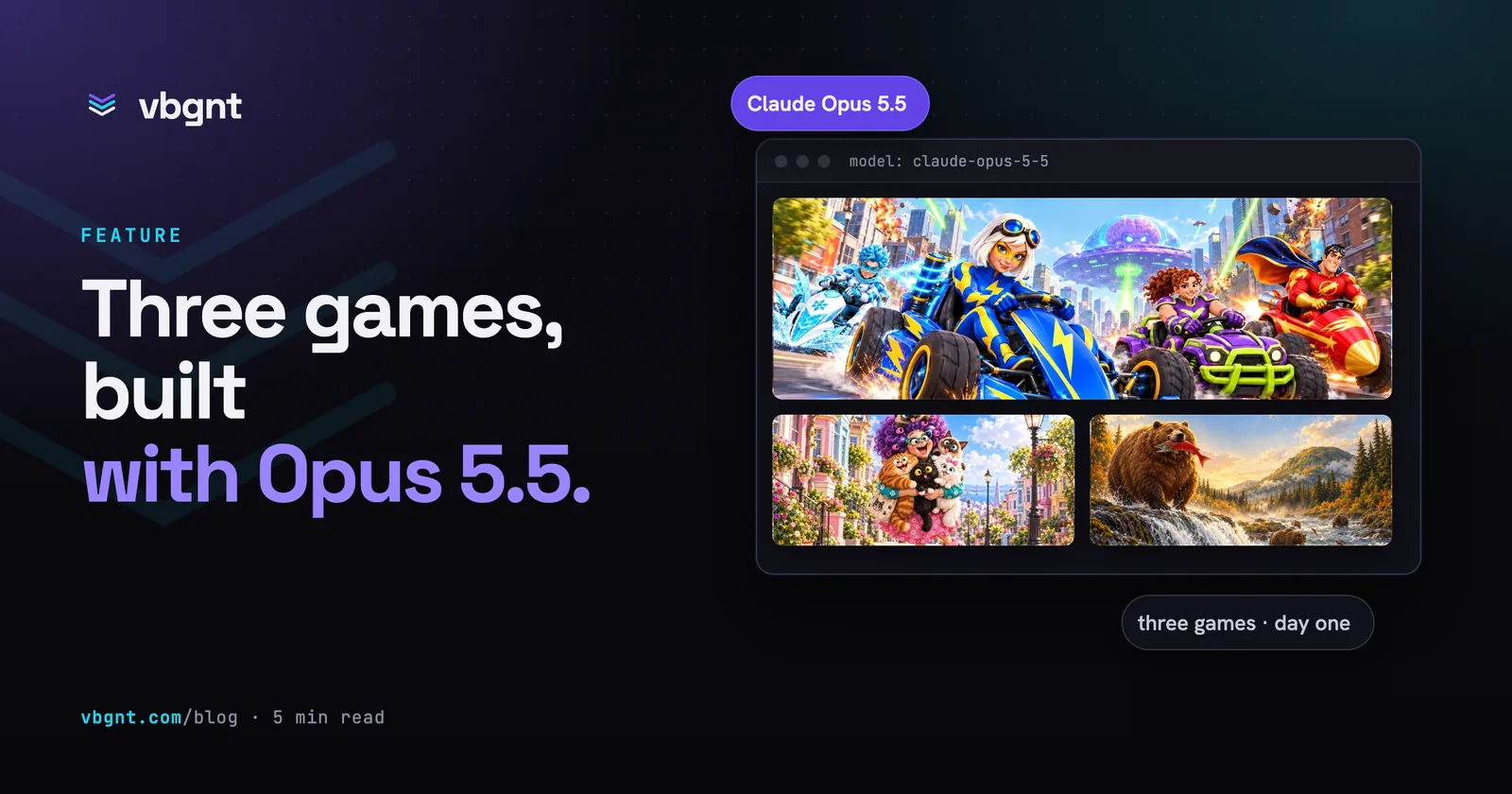
Claude Opus 5.5 is now available in the vbgnt studio. It sits in the model picker alongside Claude Fable 5.1, Claude Opus 5, and GPT-6 Astra. During the first day, we used it to create three new games, each from a single prompt.
Every turn in the studio still runs our standard export check. The agent builds the Godot web release and plays it in a headless browser on desktop and in phone emulation, including the touch controls, before handing the project back. If a check times out before reaching actual gameplay, the agent reports that plainly in the log.
Kartropolis
The brief asked for a cinematic, fast-paced superhero kart racer set in cities under alien invasion. It asked for a bright animated-film look, power-ups similar to Mario Kart, an ultimate ability meter charged by drifting, passing and dodging, and an arena boss fight after every race.

The first build came back as a full Grand Prix running across two tracks. Downtown Invasion sends racers down streets dodging alien saucers that blast the pavement beneath a mothership. Harbor Havoc takes place at sunset against bomber drones and a giant robot standing out in the water. The ult meter fills whenever you land drift boosts, pass opponents, dodge hazards, or hit rivals with items. Once full, Captain Comet turns into a fireball with Comet Dash, Volt Vixen strikes every leading kart with lightning, Titan Tess sets off a Quake Slam shockwave, and Frostbyte freezes the nearest three opponents.
The race structure surprised us. After the three laps finish, all four racers drop into an arena to fight The Overmind or The Mega-Bot. When a boss finishes its ground slam, it sits dazed so karts can ram it for heavy damage. The initial export included four pick-up items (Homing Rocket, Goo Bomb, Turbo, and Force Shield), three-stage drift sparks shifting from blue to orange to purple, and local two-player split screen support that accepts mixed keyboard and gamepad inputs, all inside an export download of roughly 32 MB.
We spent three follow-up prompts cleaning up the details. Captain Comet originally had geometric webbing on his face and a rigid 3D mesh for his cape. We asked the agent to regenerate the model without a cape and simulate real cloth in code instead. The replacement is starry indigo cloth lined with orange that drapes over the seat when stopped, billows at speed, leans through turns, floats during jumps, and glows orange when boosting. The wheels had an issue where stray suspension and body parts were attached directly to the turning meshes while the wheel pivots sat below their physical centres, causing them to wobble like eggs. The agent re-centred each pivot, cleaned up the meshes, and turned the hero portraits into round medallions across the hero select screen, the ult meter, and the results screen.
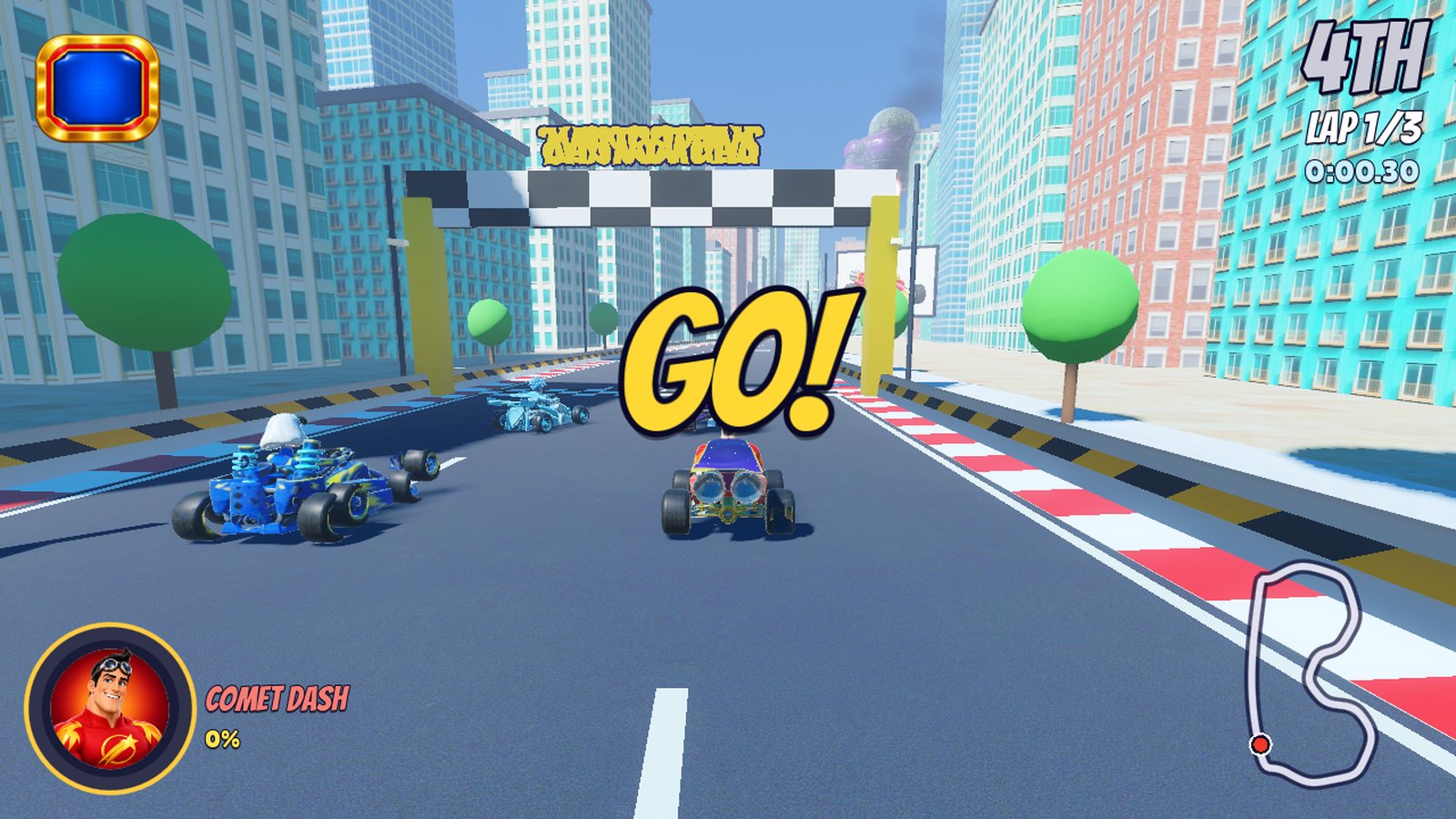
You can play Kartropolis in your browser.
Cat Person
Cat Person started from a short prompt: a cat lady runs down a pavement gathering cats that stick to her until she rolls into a ball like Katamari, eventually expanding far beyond the city street.
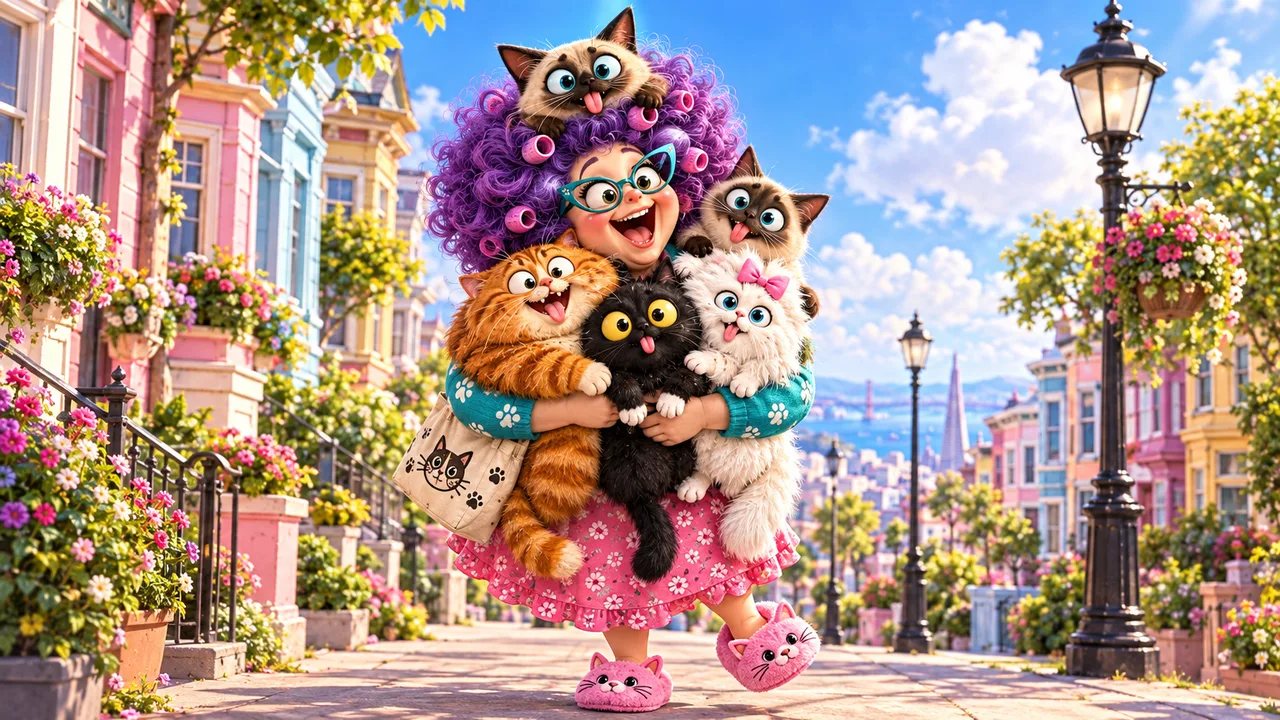
The generated game is a 3D roll-’em-up structured across four stages. You begin as an animated character jogging down a footpath, scooping up ten distinct 3D cat models: orange tabbies, googly-eyed black cats, grumpy Persians with bows, calicos, Siamese, hairless sphynx cats wearing knit sweaters, and dapper tuxedos. Once you collect ten cats, they form into a rolling sphere with your character balancing on top. From there, you begin hoovering up fire hydrants, street lamps, parked taxis, traffic, trees, and eventually whole buildings.
A full run takes 5 to 8 minutes. The camera pulls back from the street to a tiny cartoon Earth, then out to space alongside astronaut cats and three-eyed Martian felines. The agent set up character animations for idling, sprinting, waving on the opening screen, and an ending dance sequence.
The revisions were mostly about pacing and direction. The original splash screen showed the space environment right away, ruining the surprise of the scale shift. We asked the agent to replace the cover and splash art with a picture of the character cuddling cats on a sunny street, change the main menu tagline to "ROLL UP EVERY CAT IN THE CITY", and adjust the gallery text so it only hints that the game grows. In the first build, road traffic was reversing down the avenues; the agent flipped the cars and taxis to drive headlights-first and turned the parked cars to match. During phone testing, the automated browser check timed out once gameplay started, which the agent flagged directly in its turn summary.
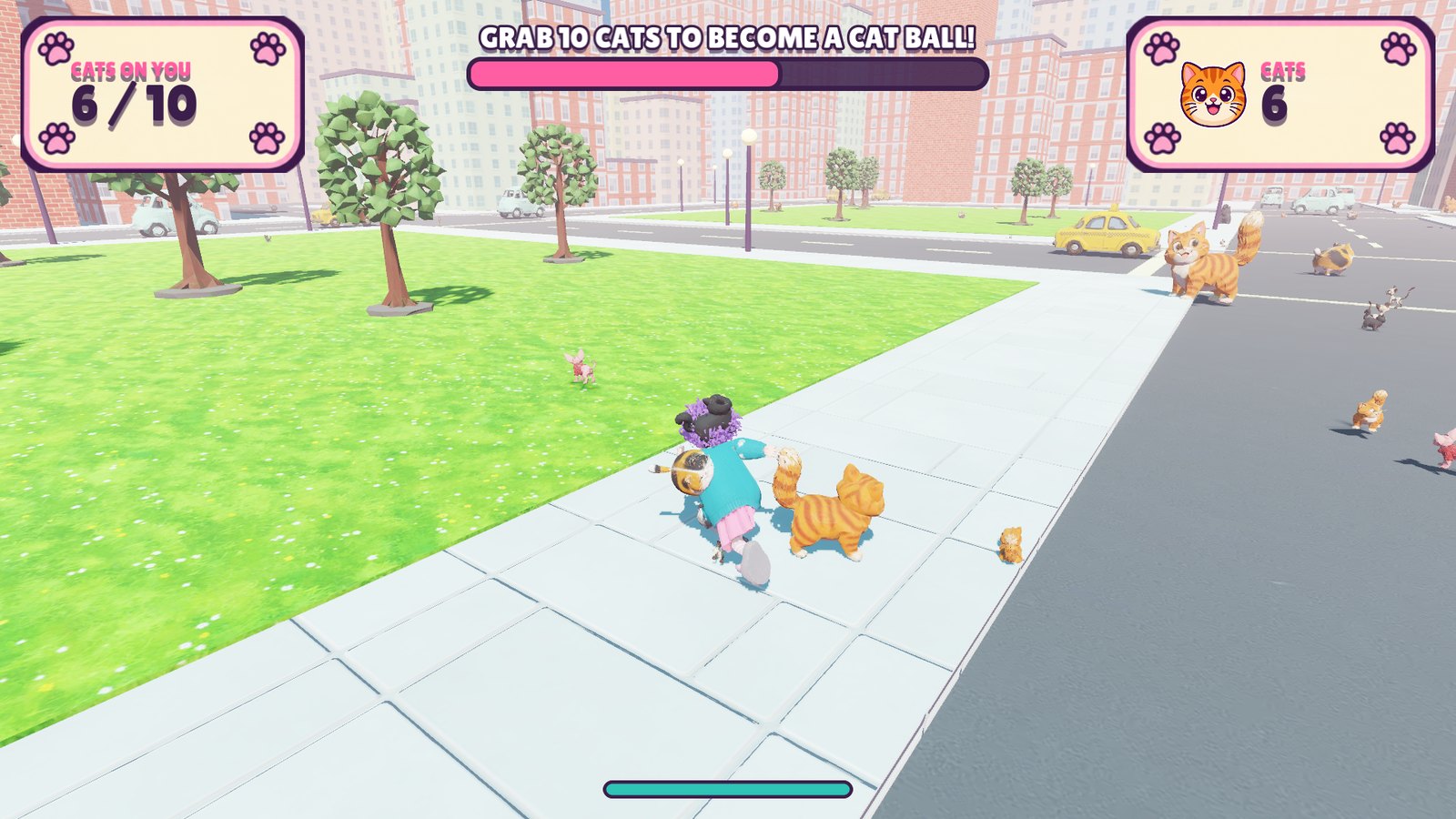
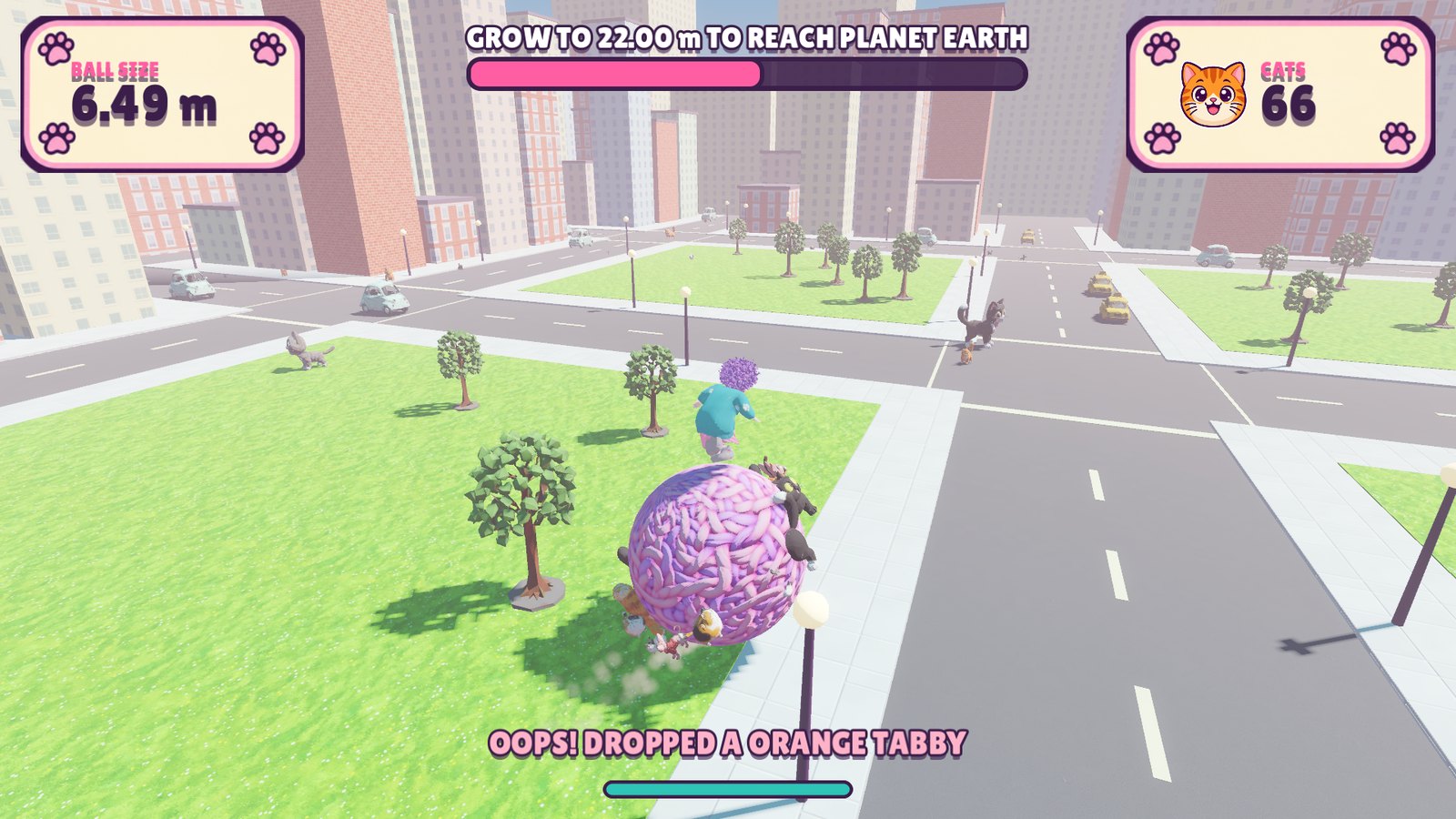
You can play Cat Person in your browser.
Fat Bear Week
This project borrows its name and concept from the annual Katmai National Park and explore.org tournament where the public votes on the fattest brown bear along the Brooks River. There is no official affiliation. The prompt asked for a humorous bear simulator set on Katmai geography, where a lean bear emerges from winter hibernation and has to put on weight before the cold returns.

The game is still early in development. You wake up as a skinny brown bear along the Brooks River. Through the summer, you catch salmon at Brooks Falls, graze sedges, dig for clams, pick berries, and push rival AI bears off the best spots. When the season wraps up, the game ranks every bear on the river by bulk.
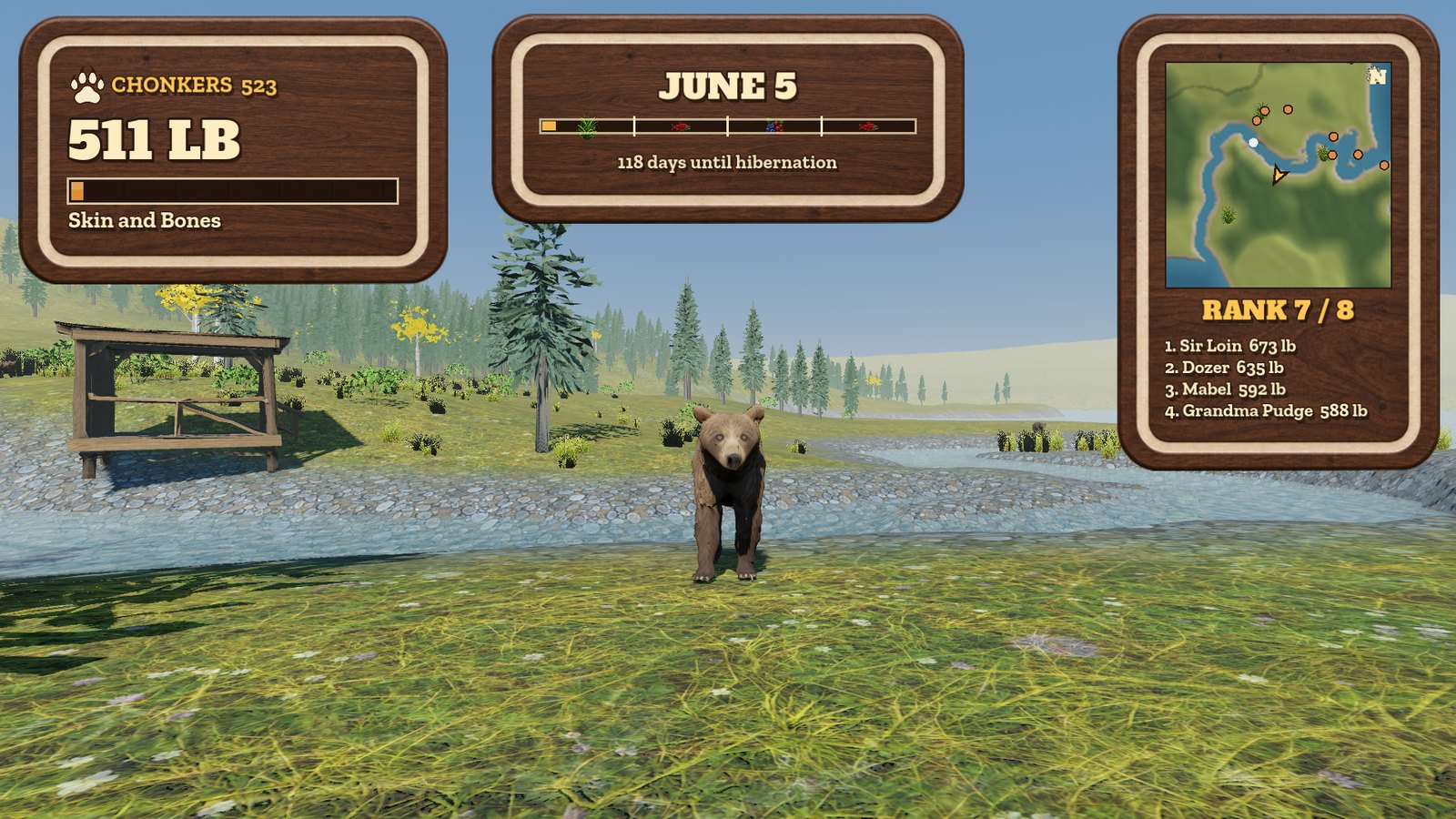
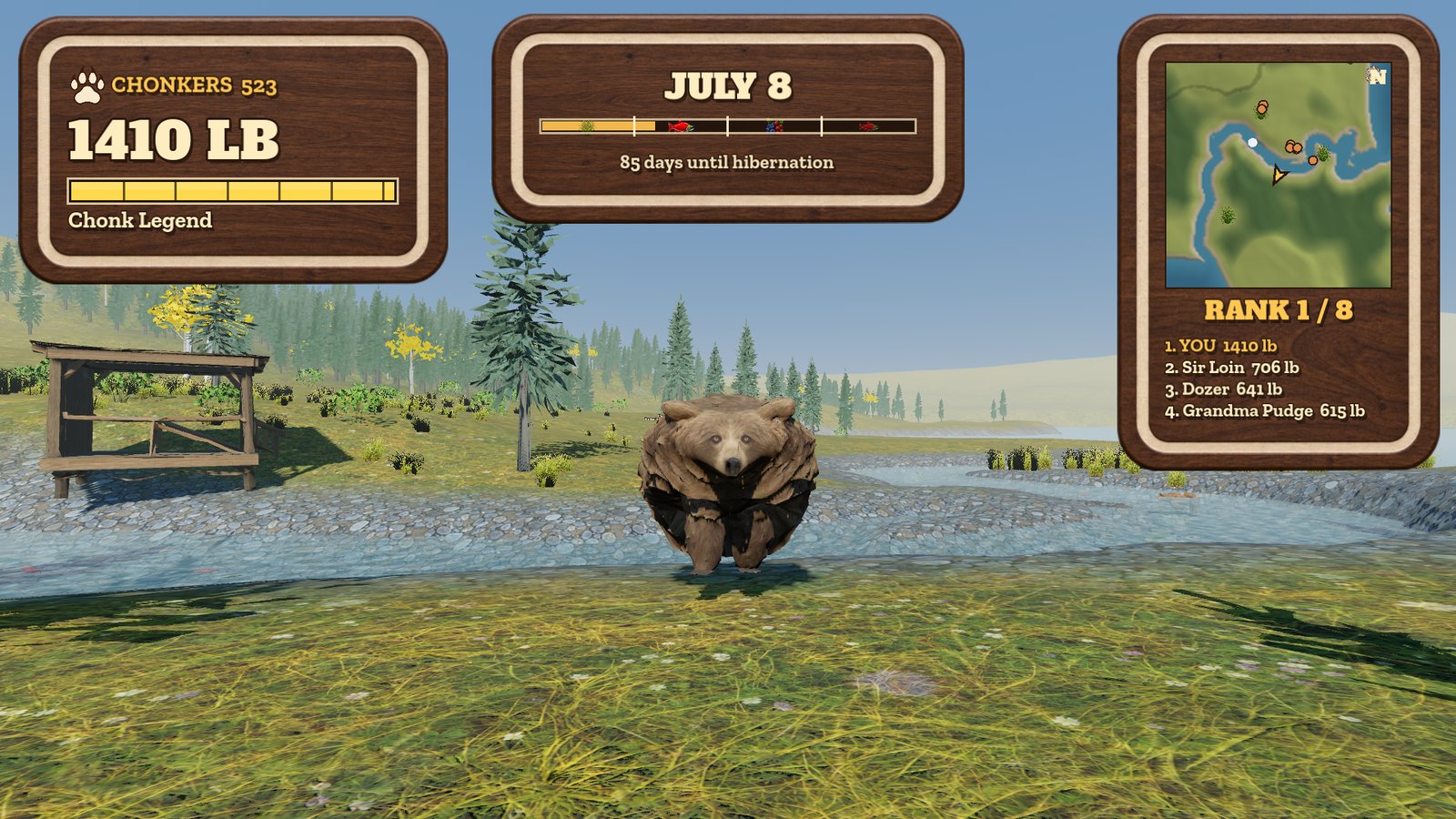
You can play the early build of Fat Bear Week in your browser.
How do you use Opus 5.5 in the studio?
Select Claude Opus 5.5 in the studio model picker. You can choose it when starting a fresh game or switch to it inside an existing project. Every prompt you send runs on whichever model is selected at the time.
Opus 5.5 is also integrated into our MCP server commands (including list_models, create_game, and prompt_game) and available inside Dream at dream.vbgnt.com. To use the studio, request an invite at vbgnt.com.
Frequently asked questions
How do I use Claude Opus 5.5 in the vbgnt studio?
You can choose Claude Opus 5.5 in the model picker whenever you start a new game or continue an existing project.
Can I switch an existing game to Claude Opus 5.5?
Yes, you can swap models between turns at any time. Any follow-up prompt runs on whichever model is selected, so a game started on Fable 5.1 or GPT-6 Astra can move onto Opus 5.5 for its next change.
Can Claude Opus 5.5 build games for phones?
Yes, games created in the studio export as Godot web builds that run in desktop and mobile browsers. During every turn, an automated check tests the build in a headless browser with touch controls enabled before marking the work complete.
Is Claude Opus 5.5 supported in the vbgnt MCP server?
Yes, Opus 5.5 works with our MCP server tools, including the list_models, create_game, and prompt_game actions. It is also available in Dream at dream.vbgnt.com. Full studio access is currently invite-only through vbgnt.com.