Our own game art pipeline.
vbgnt Forge is the studio's own AI game asset generator. It makes 3D models, rigs and animations, painted 2D art and pixel art, through the same agent that builds your game. It's an early alpha, switched on one game at a time, and we improve it every week.
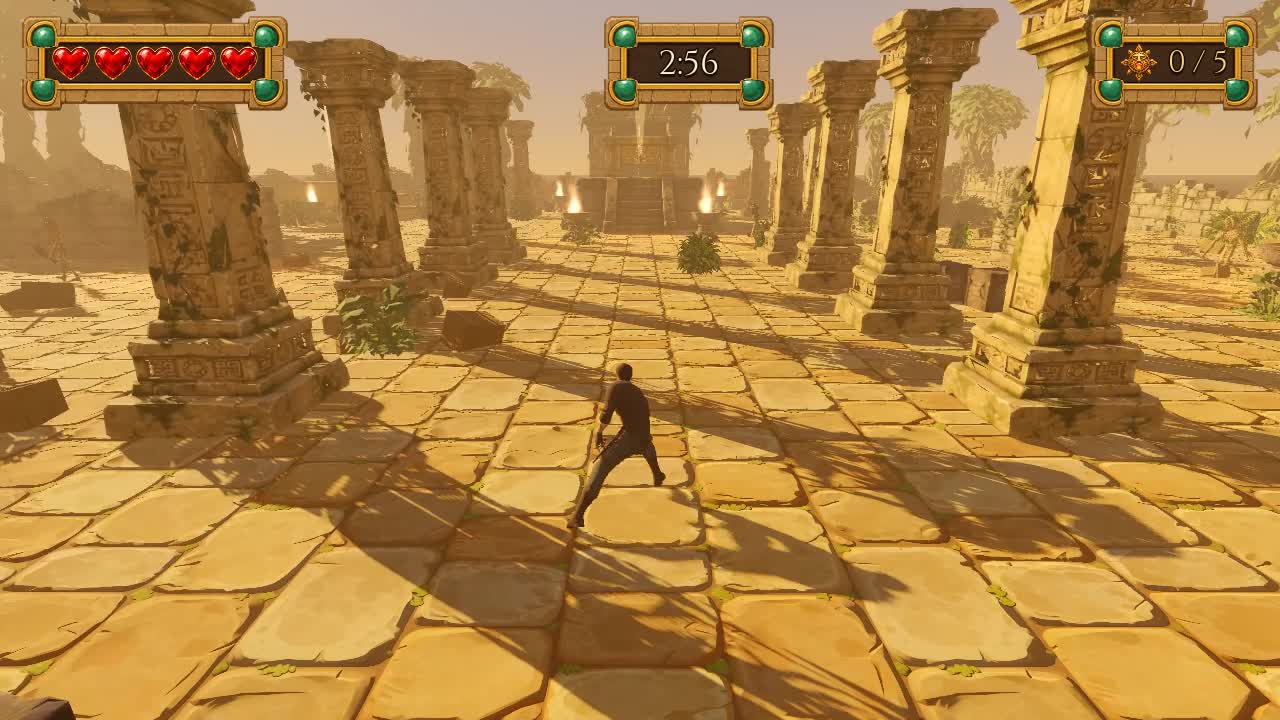
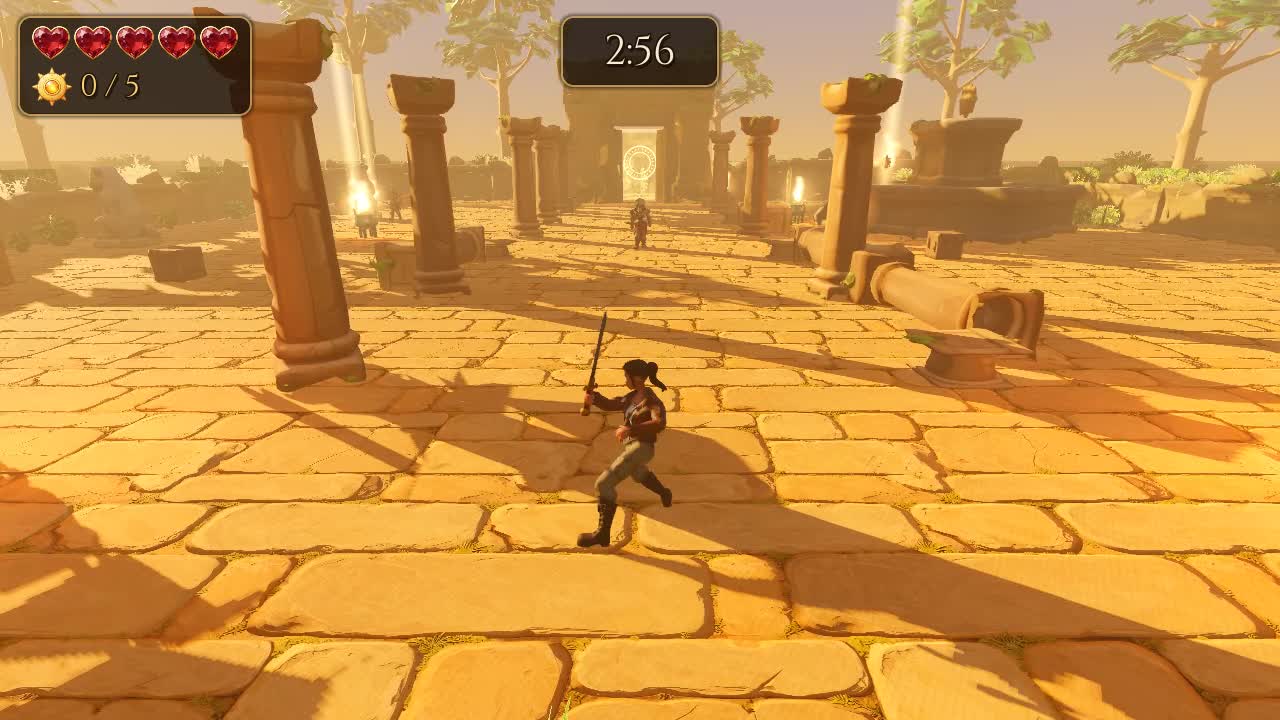 StandardForge
The same game from the same brief. Meshy's models on the left; Forge 3D and Forge rigging on the right, after one lighting turn.
Why build our own?
Every vbgnt game needs art, and until now all of it came from outside services: Meshy for 3D, GPT Image for painted art, PixelLab for pixel art. They are state-of-the-art products. Meshy has raised close to $400 million and OpenAI billions. When one of them gets something wrong, though, the agent can only work around it, in every game, every time.
Forge is ours, so a fault becomes something we fix once, in Forge, and every game gets the fix. One pipeline also means one character can live in a 3D game, a painted game and a pixel game, built from the same model on the same skeleton.
3D: models, rigs and one skeleton.
Forge rigging gives any humanoid a skeleton and the animations a game needs, from a library of 170 clips that all play on every Forge character. It works on models it didn't make, Meshy's included. Forge 3D makes the models too, from one concept image, at a real size and ready for Godot.
We built one action game twice from the same brief. Both versions play the same. Meshy's models are more ornate, Forge's version took one follow-up turn on its lighting to match Meshy's warm golden hour, and the Forge build took about an hour longer.
Painted 2D, drawn in-house.
Forge images makes a 2D game's painted art: concept art, character sprites and their animation frames, layered backgrounds, menus and key art, in place of GPT Image.
Built twice from one brief, our painted platformer came out complete both ways. The standard build is richer and more detailed. Forge's art is cleaner and more consistent, with fewer animation frames and a few pieces still left to fill.
Pixel art, built from 3D.
Forge pixel art makes characters, animations, objects, tilesets and fonts, in place of PixelLab. Each character starts as a 3D model on the shared skeleton, and every direction and frame is drawn from it, so a sprite's four directions always agree and a swing can't lose its shield halfway through.
Today it animates two-legged characters only, so the agent animates slimes and bats in code. It can't make menu art yet either.
What it doesn't do yet.
It's an early alpha. Here is where it stands today.
Not as polished as the state of the art
In our side-by-side tests the standard pipeline's art was richer. Forge is weeks old and up against products with years and millions behind them.
Two legs only
The rigger handles people, robots, apes and ogres. Four-legged animals, snakes and spiders aren't supported yet, in 3D or in pixel art.
Slower builds
Our test games took about twenty minutes longer on each 2D game and about an hour longer in 3D with Forge switched on.
Some gaps to fill
Forge can't make menu panels and buttons yet, and big art passes can leave a few stand-ins for a follow-up turn to finish.
The details.
Each comparison in full, with the clips side by side.
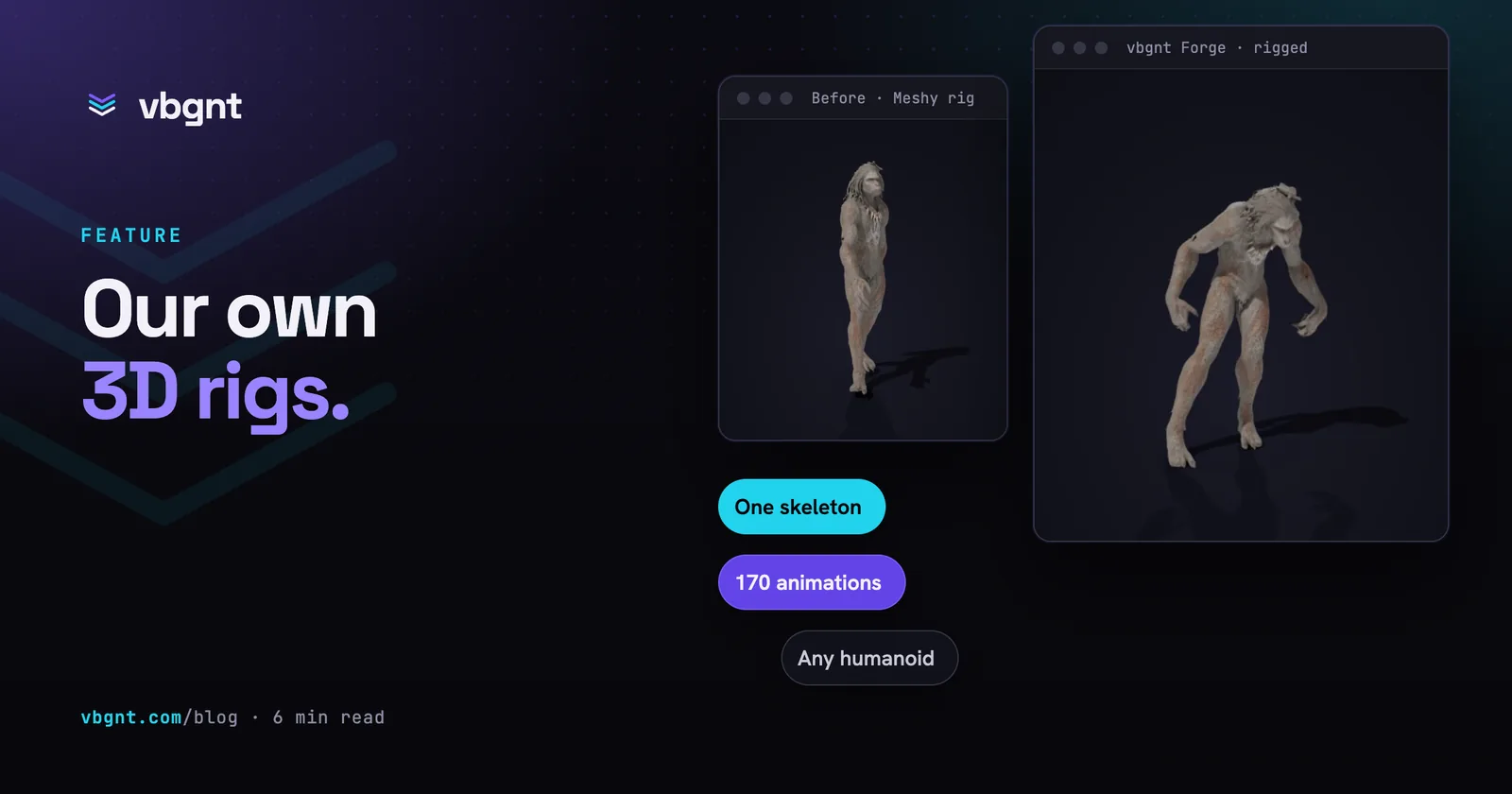 vbgnt Forge: 3D models, rigging and animation
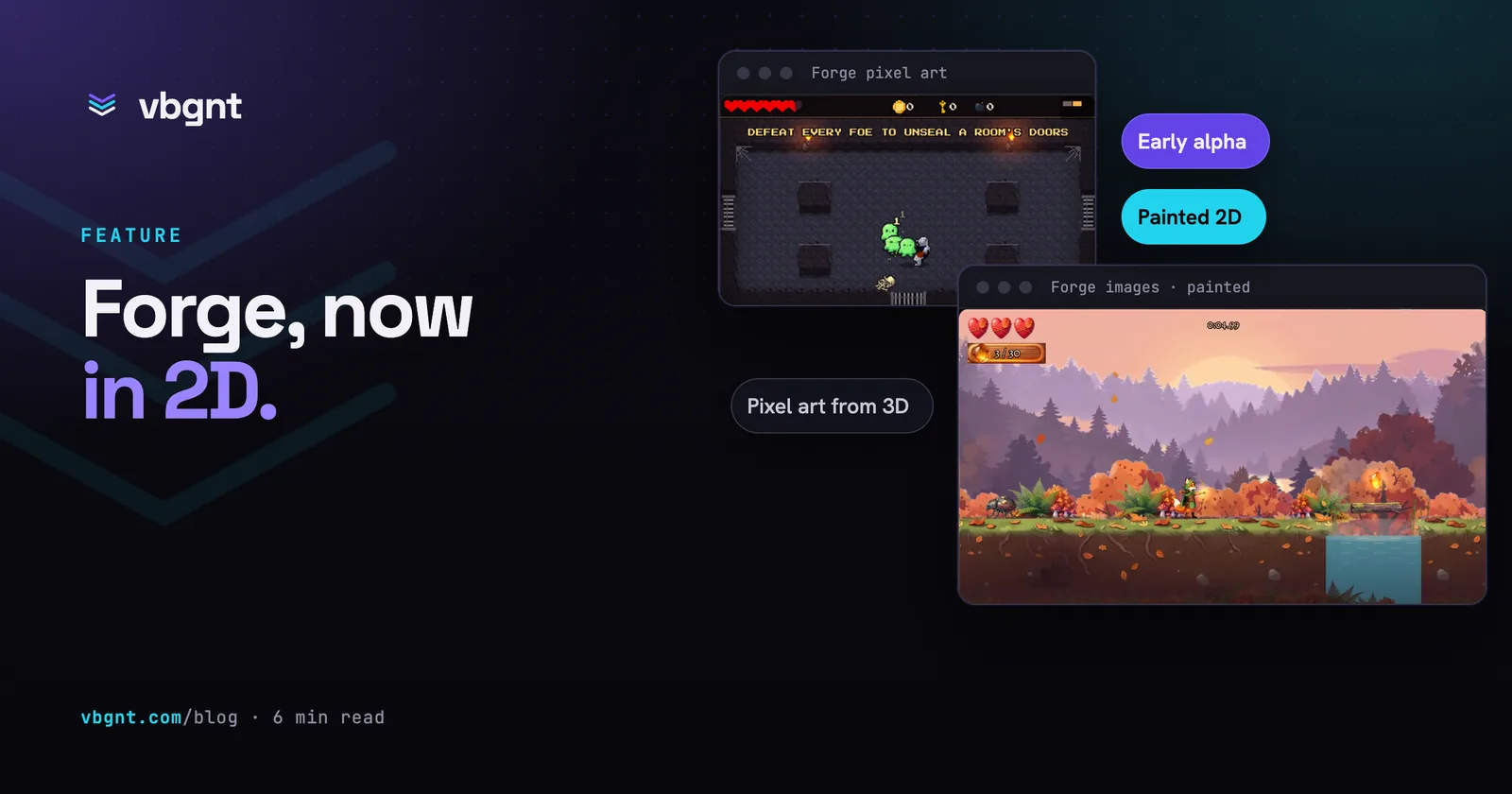 vbgnt Forge for 2D: painted and pixel art
 How to make game assets with AI
Frequently asked questions.
What is vbgnt Forge?
The vbgnt studio's own pipeline for game art. Forge rigging and Forge 3D make and animate 3D characters and props, Forge images makes painted 2D art, and Forge pixel art makes pixel-art characters, animations and tilesets. The same agent that builds your game uses it, in place of Meshy, GPT Image and PixelLab.
Is Forge ready for production games?
It's an early alpha. Every Forge test game we built came out with a full set of art and a playable build, but in side-by-side tests the standard pipeline's art was richer, and Forge builds take longer. Try it on a game where you can live with that, and keep the standard pipeline for a release.
How does Forge compare with Meshy, GPT Image and PixelLab?
They are state-of-the-art products from well-funded companies, and today they are more polished. Forge's rigs already move creatures and cloth better than Meshy's in our tests, and its pixel characters are built from 3D so every direction agrees. The comparisons, with clips, are in our two Forge posts.
Can I use Forge for only part of a game?
Yes. The four switches are separate: Forge rigging alone keeps Meshy's models and rigs them on Forge, and you can use Forge images without Forge pixel art. Each applies from the next turn, and sound, music and code are unchanged.
Where do Forge's models and sprites end up?
In your game's Godot project, as ordinary files next to everything else the agent makes: models with their animations inside, sprite sheets, textures and tilesets. The whole project downloads from the Files pane and opens in the Godot editor.
How much does vbgnt cost?
vbgnt is invite-only while we build it, and there is no public price list yet.
Try Forge on your next game.
Request an invite, tick Forge on the new-game form, and tell us what breaks. That's how it gets better.