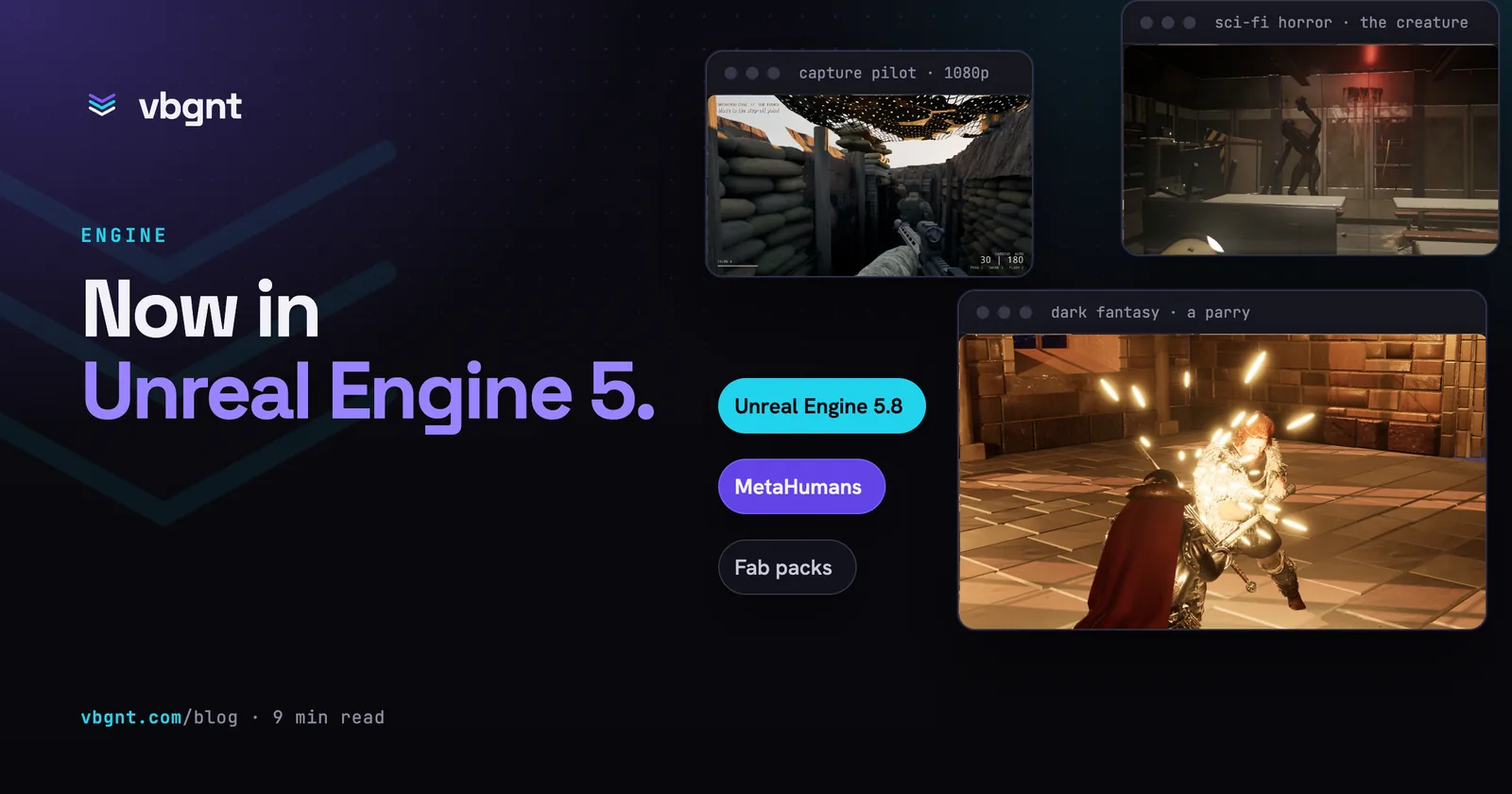
The studio makes Unreal Engine 5 games now. You describe the game, pick Unreal as the engine, and the agent builds it in the full Unreal editor on a cloud workstation with a GPU: C++ gameplay, levels, MetaHuman characters with voices synced to their faces, art from Fab packs, Lumen lighting, and builds for Windows, Linux, Android and macOS.
Unreal is part of Professional. The studio is invite-only while we build it, so the way in is to request an invite. This post covers what the agent does in Unreal, what three games made with it look like, the Epic AI MegaJam we're entering, and what it doesn't do yet.
What does Unreal support in vbgnt mean?
It means an Unreal Engine 5.8 project, made by the studio's agent and owned by you. Every turn runs on a Windows workstation in the cloud with a GPU and the full Unreal editor installed. The agent works in it the way a developer would: it writes the gameplay in C++, builds the levels with editor scripts, makes and dresses MetaHumans, voices them and syncs their lips, compiles the game, then plays it on the GPU to take screenshots and record video.
Unreal sits beside Godot and GANDER, our own engine, as a third choice on the new-game form. Godot is still the engine behind most vbgnt games and the right one for anything you want playable from a link. Unreal is for games that need its renderer and its people: photoreal characters, real-time bounce light, dense interiors.
Who can use it?
Professional accounts. Each Unreal turn takes a whole GPU workstation, and the games are big, so Unreal is part of the Professional tier rather than every account. Professional isn't on sale yet. The studio is invite-only, and an invite request is how you get on the list.
What happens in a turn?
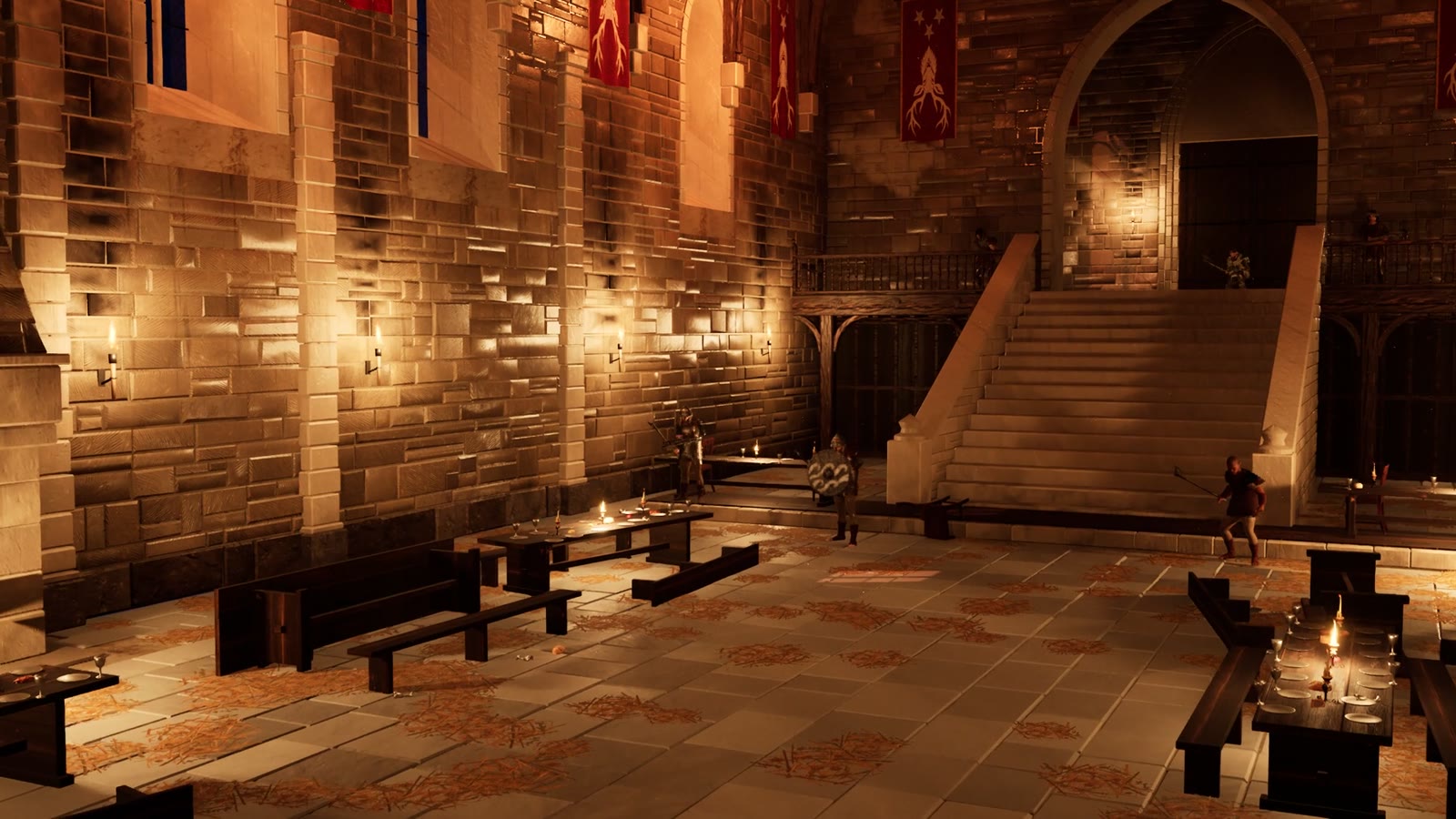
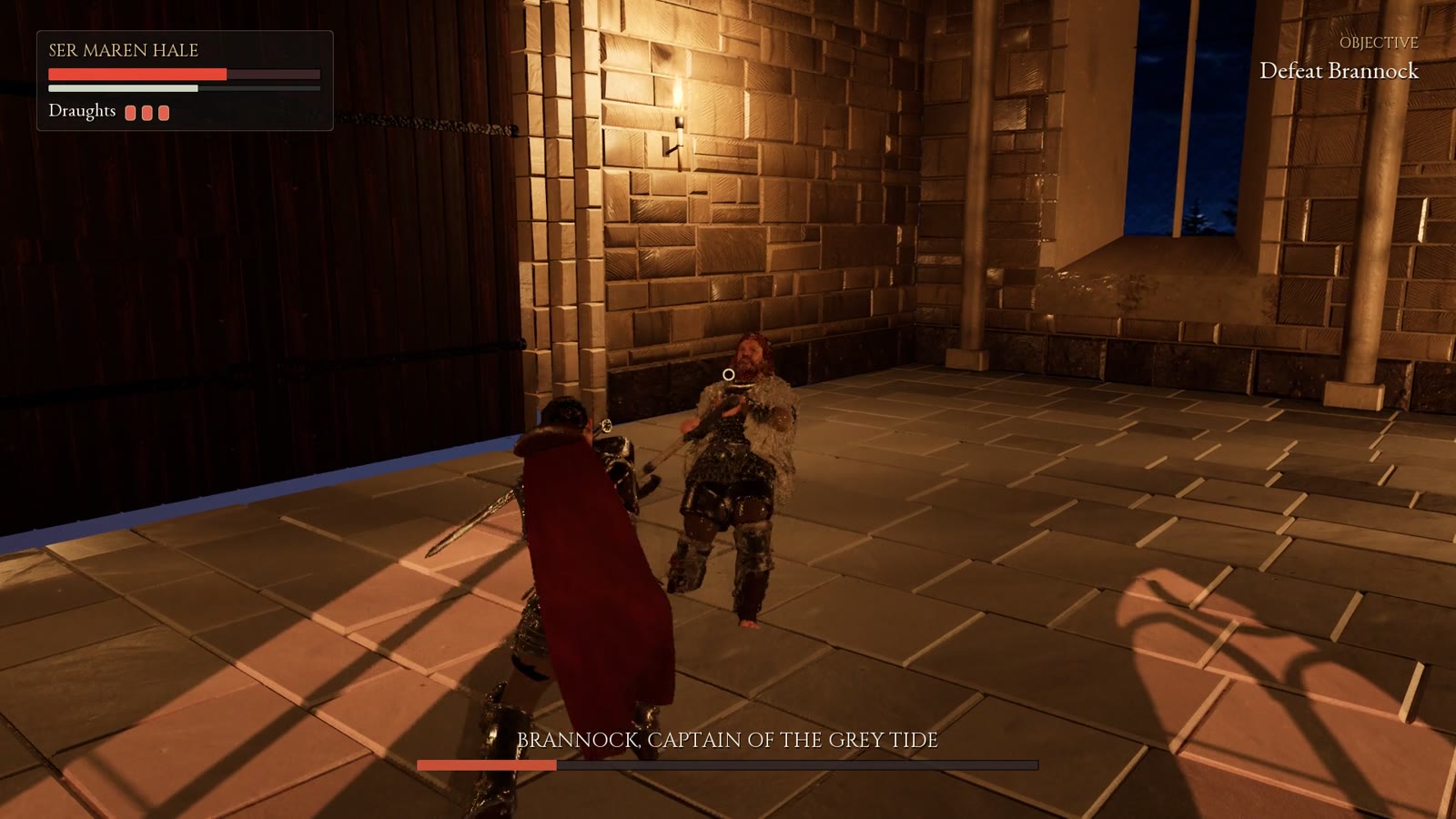
The first turn of a new game builds the whole thing, not a tech demo. In one dark-fantasy test that meant a title screen, a snowy courtyard, a great hall, a duel at the chapel doors and an ending, with eight MetaHumans, light and heavy attacks, blocks, parries, ripostes and a lock-on. Every game also gets a pause menu, a settings menu with volume and quality levels, gamepad support, on-screen touch controls for phones, and its own splash and cover art.
Inside a turn the agent loops: write C++, compile and fix every error, make or find the art, run the level scripts, then shoot screenshots on the GPU and look at every one before it decides something works. Levels are Python scripts that drive the editor, so a rebuild always gives the same level, and the agent can also make quick changes in a live editor when that's faster. The scripts and the C++ are all in the project, and you can download it, open it in Unreal and read exactly how it was made.
The starter project comes with Lumen global illumination and reflections, Nanite and virtual shadow maps switched on. In the dark-fantasy game, one turn rebuilt the keep from blockout walls into coursed stone, lancet windows, an open oak roof and two hearths, and the next lit the roof from the chandeliers and hearths with moonlight through the windows. That bounce light is Lumen.
After every turn that compiles, the studio packages a fresh Windows build in the background, so Play in browser always runs the latest version. You can switch that off for a game if you'd rather build by hand.
What has it made so far?
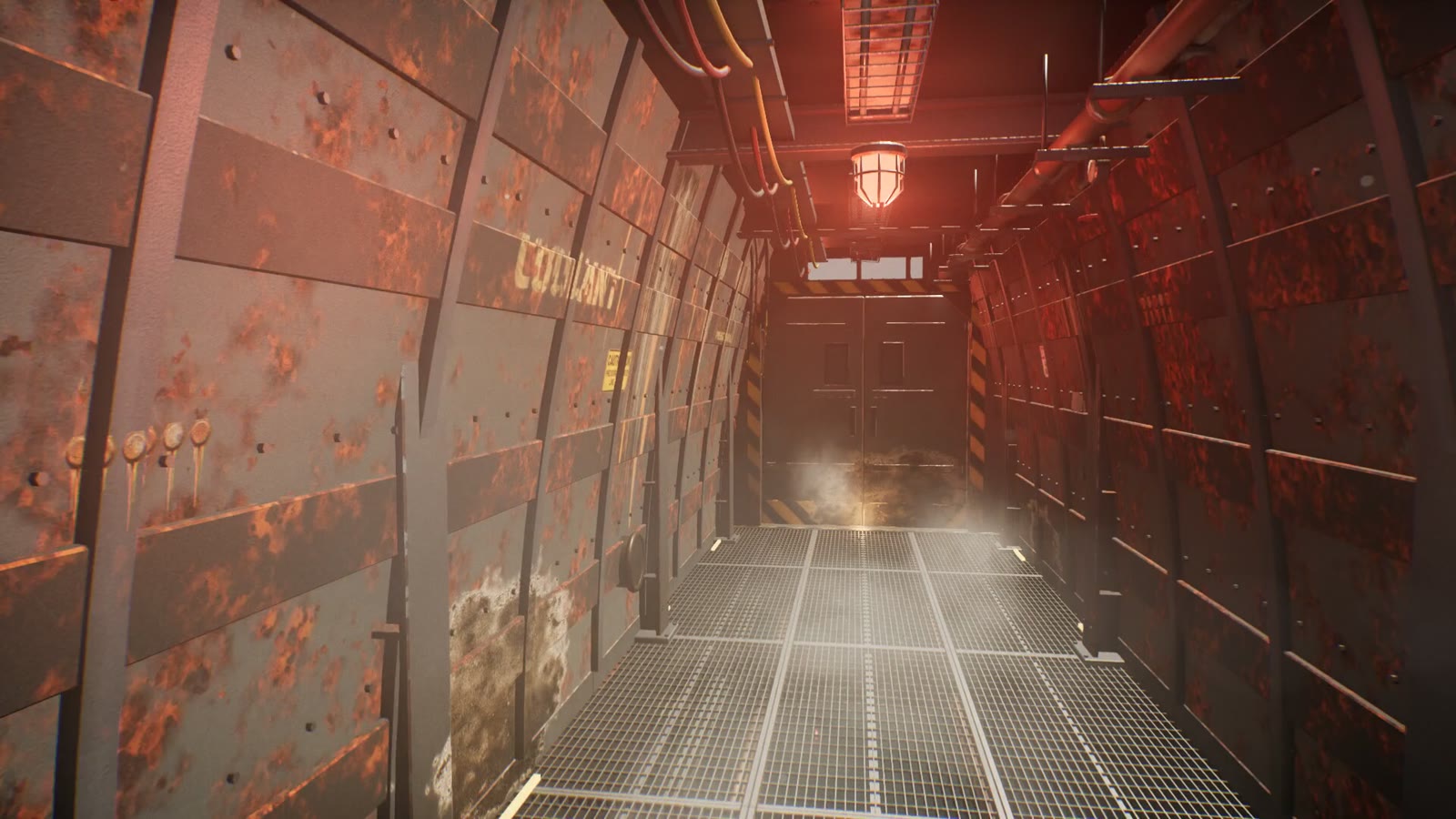
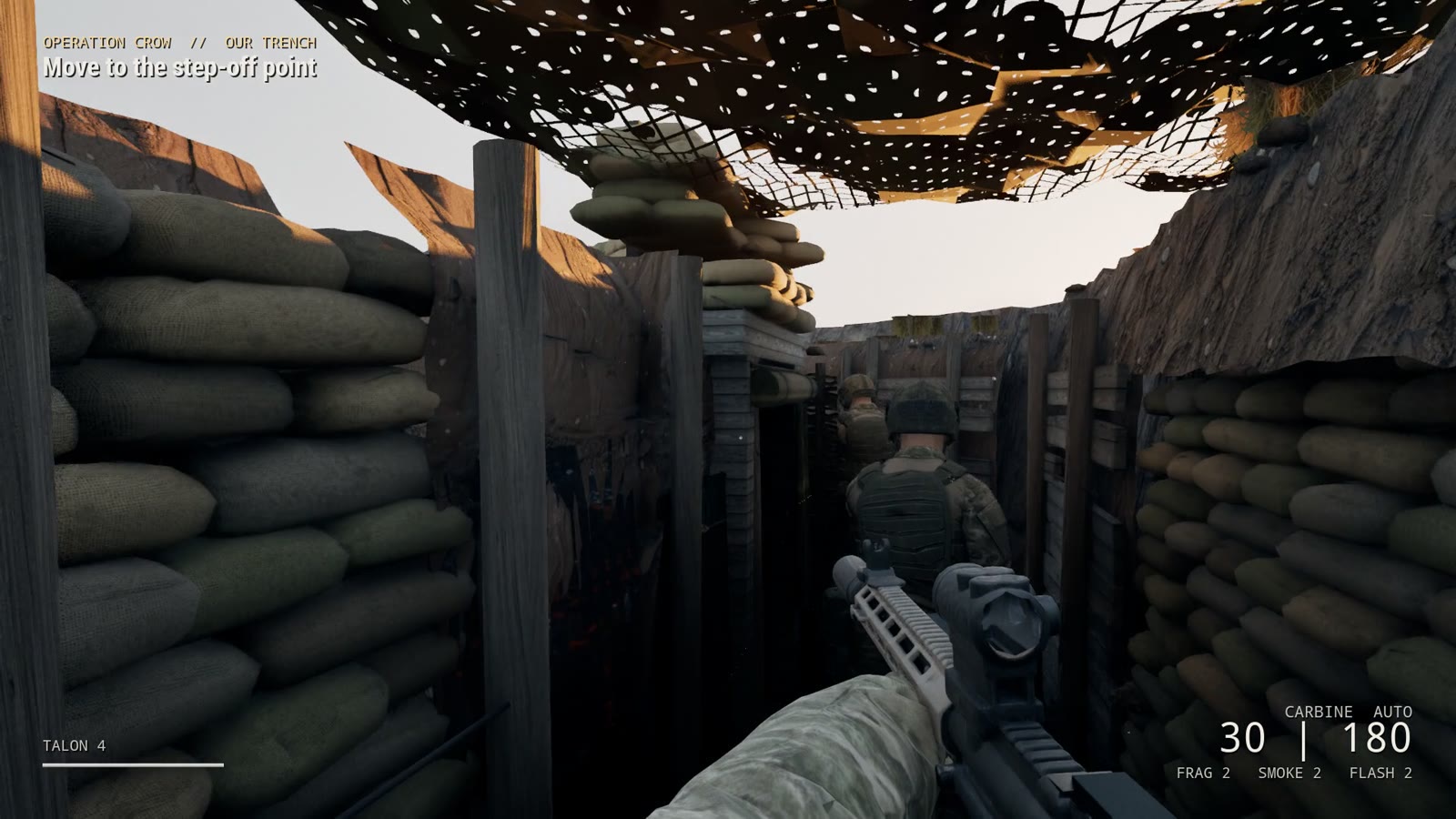
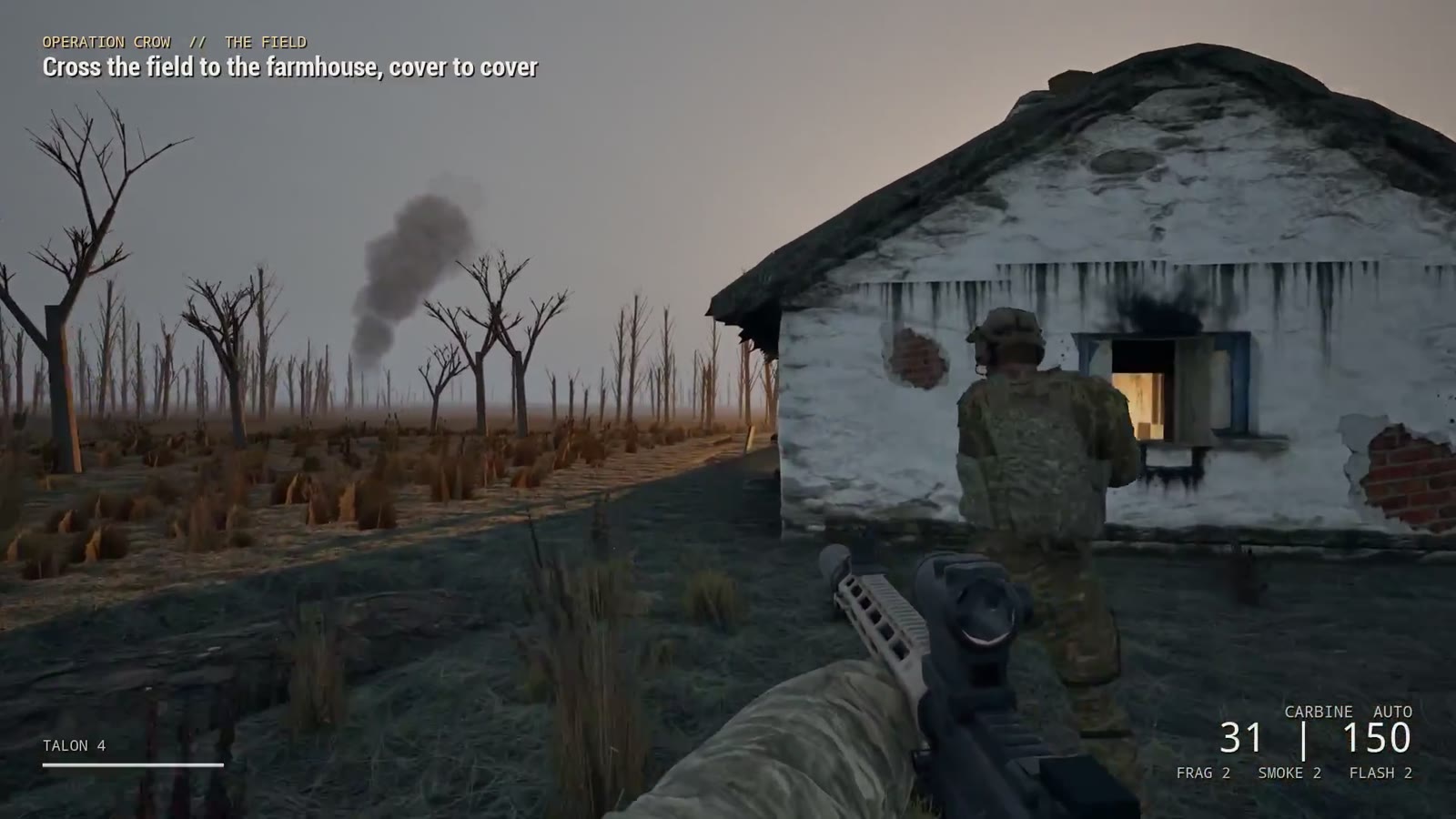
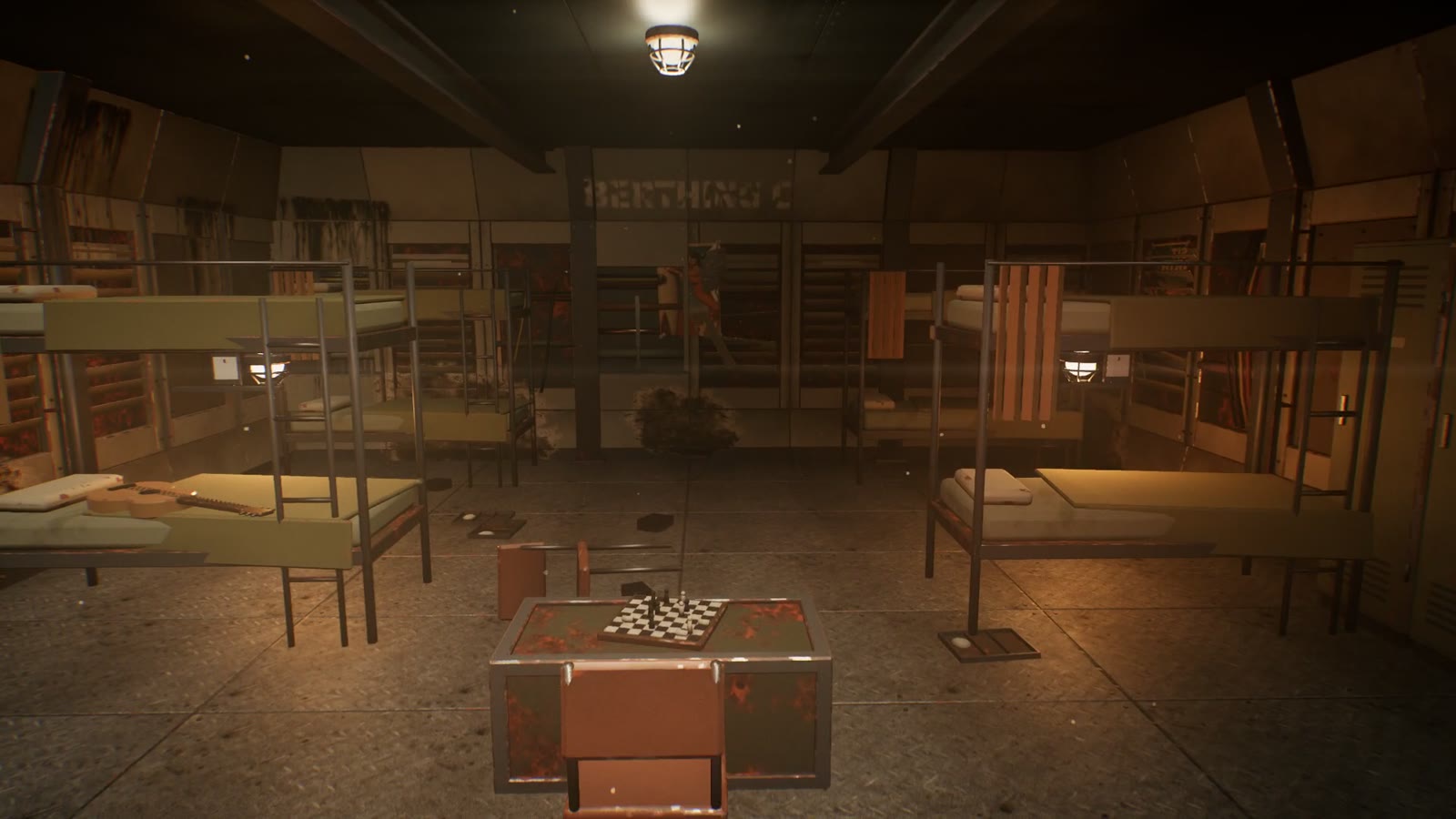
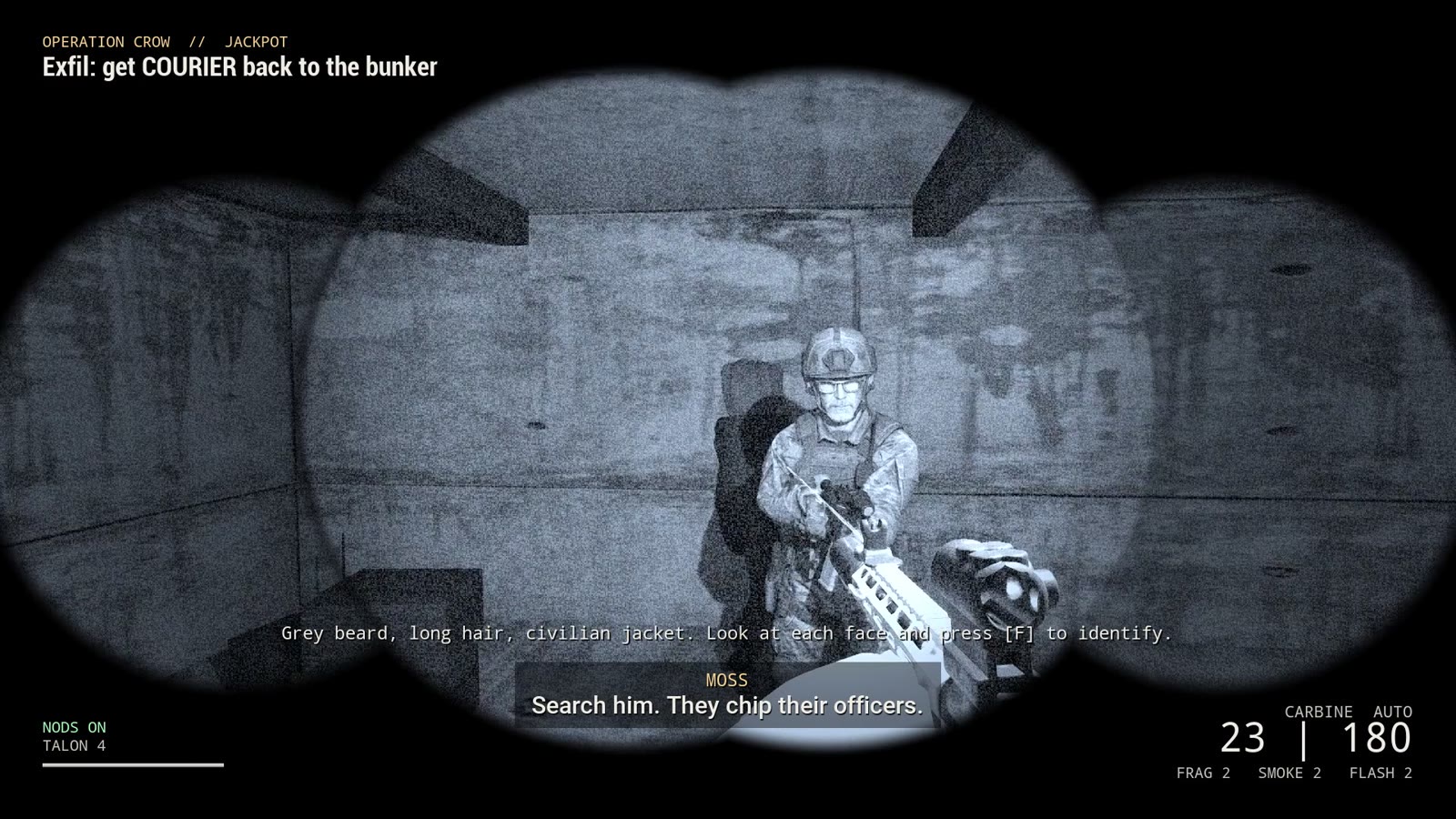
Three games, each built turn by turn on a test account: a dark-fantasy sword fighter set in a besieged keep on one winter night, a sci-fi horror investigation aboard a dead space station, and a military mission that runs from a trench line across open ground to a farmhouse raid and a night-vision search of its cellar.
Does it make MetaHumans?
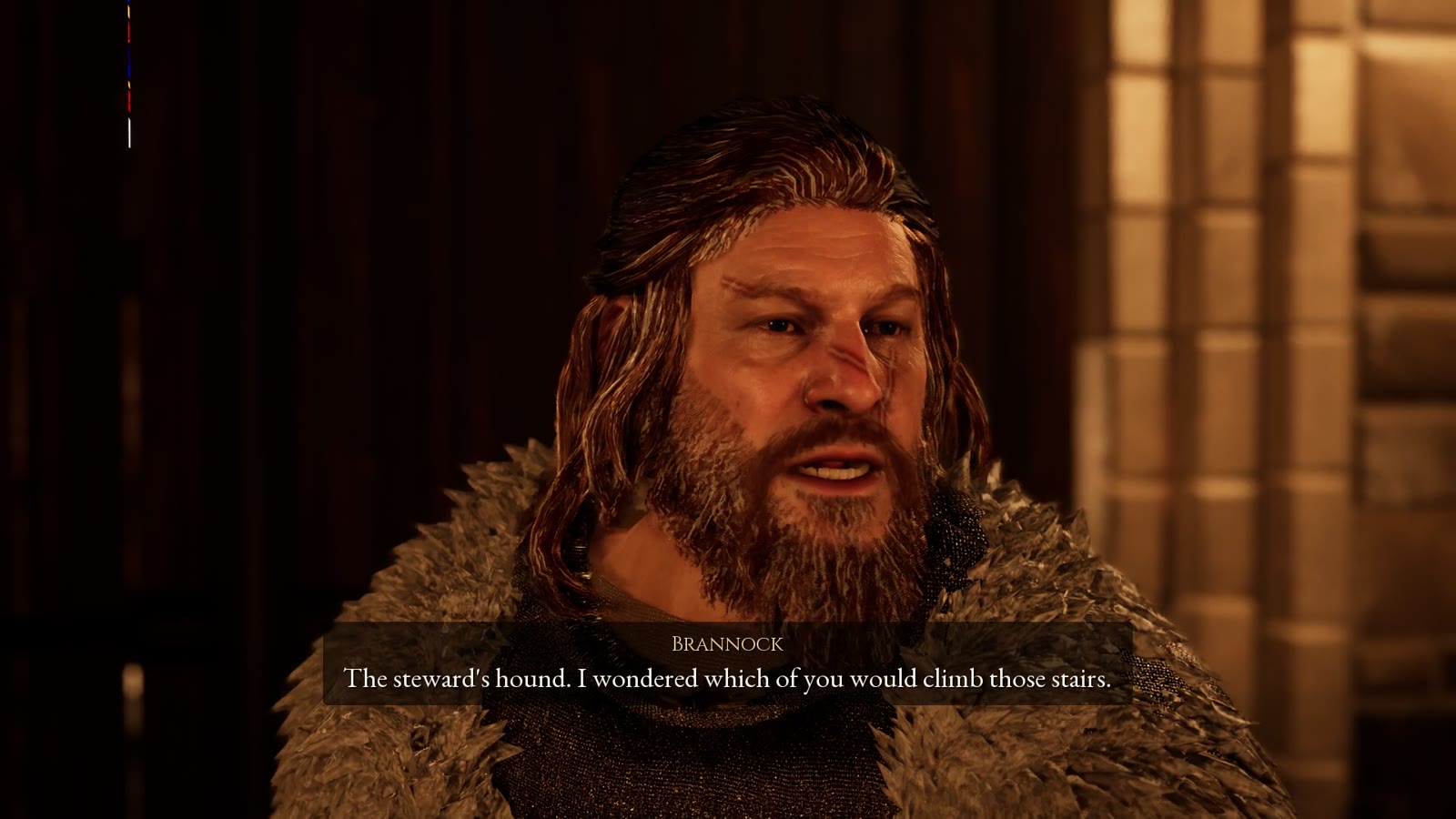
Yes. Characters can be MetaHumans, Epic's photoreal digital humans, made and shaped on the workstation, then rigged and built through Epic's MetaHuman tools. The agent picks hair, beards and eyebrows from the engine's own set, sets their colours, and dresses each character.
Clothing follows the body. Armour and kit are fitted to the MetaHuman's own skeleton: rigid pieces like helmets and pauldrons ride on its bones, and soft pieces like mail or a uniform are skinned to follow its pose. The dark-fantasy knight wears plate and mail with a heavy wool cloak that is real cloth, pinned under a fur collar and colliding with her body and her sword. The military squad wear plate carriers and helmets over their uniforms.
Rigging a MetaHuman needs a sign-in to Epic, and the agent never holds one. The studio runs that step for it in a separate, locked-down account on the workstation, and hands back the finished character.
How do the voices sync to the faces?
When you ask for spoken lines, the agent writes them, voices them, and then solves each one into facial animation for the character who says it, from the audio alone. That uses MetaHuman Animator's audio solve and runs on the workstation; an eight-second line took about six seconds to process. In the game the line and the face animation play together, and the face goes back to its normal idle when the line ends.
Characters only speak when you ask for it, in the brief or a later turn, and each one keeps its own voice. Recorded gameplay keeps the game's sound, so captures and trailers have the lines in sync with the faces too.
Can it use Fab assets?
Yes, from a curated vault. Fab is Epic's marketplace, and it has no public API: getting a pack needs a person signed in to an Epic account. So we pick packs by hand and keep them on the workstation in a vault, both Unreal-format packs and file packs of models, textures and sounds. Agents search the vault, look through a pack's assets and add the ones that fit. They never browse fab.com or download from it.
For environment art (terrain, rocks, foliage, buildings, props) the agent searches the vault first. Adding a pack copies it into your project along with any packs it depends on, and records it in the game's credits with its title, author, licence and Fab link. The agent keeps third-party content lean, because players download every megabyte, and it warns when a game's packs pass about 700 MB. When nothing in the vault fits, it makes the art instead.
One catch if you download the project: the Fab licence lets a pack ship inside a packaged game, not be handed out as raw files. So source downloads leave Fab packs out and include a note listing each one, and you add them back from your own Fab library to open the project.
What about art the vault doesn't have?
The agent generates it: concept art first, then 3D models from the concept, imported into the project. Art review works the same way as for any vbgnt game. Before anything paid is generated, the agent files the references as cards, two or three looks each, and nothing is made until you pick. In the dark-fantasy game that was six cards: plate and mail for the knight, scale and a bear mantle for the captain, and three raider looks.
Generated characters are rigged by the studio's rigging, and its animation library works on MetaHumans too. The dark-fantasy game's first swings were driven by code; one turn later the agent had retargeted sword, shield, hit and death clips from the library onto the MetaHumans, with hit frames lined up to the swings.
Does it record video of the game?
Yes, on the GPU, with the game's sound. A capture runs the real game and records it, and the game can play itself: the agent writes capture pilots, small pieces of code that drive the player through a scene with the same inputs you would use, so a fight, a flythrough or a conversation can be filmed the same way every time. Every clip on this page was recorded like that.
Captures are 1080p, from 5 seconds to three minutes. The Unreal panel's Record video button takes 15, 30 or 60 seconds. The Marketing kit works on Unreal games too: store screenshots, art and listing copy for Steam, itch.io, mobile and the Epic Games Store, and a trailer on top. If you ask about performance, the agent can also measure frame times with Unreal's own profiler and fix what costs most.
How do you ship and play an Unreal game?
Unreal has no web build, so an Unreal game doesn't play in a web page the way a Godot game does. You get two other ways in:
- Builds. Windows, Linux and Android are packaged on the workstation, and macOS on a Mac. Android comes as an App Bundle for Google Play and an APK to install directly, signed with the game's own upload key. The dark-fantasy game's Windows build is a 1.8 GB zip. From the studio you can push builds to itch.io or the Epic Games Store.
- Play in browser. The latest Windows build runs on a cloud GPU and streams into the browser, with keyboard, mouse and gamepad sent back to the game. Share makes a link for a playtester or a publisher, with no account or download.
Each game can have its own game page with the trailer, the downloads and a Play in browser button. Unreal games aren't listed in your arcade or the games directory, which are built around games that load from a link.
Can I drive it from my own assistant?
Yes. Everything above works over vbgnt's MCP server. create_game with engine: "unreal" starts a game, prompt_game takes each turn, capture_video records the game playing itself, start_export packages Windows, Linux, Android and macOS builds, and create_play_link makes a streaming link once the Windows build is ready. get_game shows each turn's screenshots, videos and builds. The dark-fantasy game was made entirely that way, from an assistant, one call at a time.
Is vbgnt entering the Epic AI MegaJam?
Yes. Epic's 2026 Epic AI MegaJam runs on itch.io from 12 to 15 November: four days to make a game in Unreal Engine or UEFN, using any AI tools you like, judged by a panel. We're entering with an Unreal game made in the studio the same way as the three games above, from a brief and then one turn at a time.
The theme is announced at the kickoff stream on 11 November, and the rules say no building before 12 November, so the game doesn't exist yet. The jam allows tools set up in advance, as long as you declare anything you made beforehand. We bring the studio as it is: the agent, the starter project and the Fab vault. The jam also asks you to list the assets you didn't make, and the game's credits already record every Fab pack with its author and licence. We'll show the game, and how it was made, once the deadline has passed.
What doesn't it do yet?
- No web build. Unreal games stream instead. A stream needs a GPU to start, so it isn't the instant link a Godot game is.
- No iOS. Windows, Linux, Android and macOS only, for now.
- MetaHumans are heavy on phones. The dark-fantasy game's Android App Bundle came out at 887 MB, well over the 200 MB Google Play allows for what installs up front. A game meant for phones wants fewer, lighter characters.
- The vault is what we put in it. Agents can only use Fab packs we've added. For anything else they generate the art.
- Games are vertical slices. The three games here are each a strong, complete slice: one place, one night, one mission. A forty-hour game is still a team's work.
How do I get it?
Request an invite at vbgnt.com and say you want to build in Unreal. Unreal comes with Professional; the professional page has the rest of what that covers. Once you're in, pick Unreal 5.8 on the new-game form, or pass engine: "unreal" to create_game, and describe the game.
Frequently asked questions
Can vbgnt make Unreal Engine games?
Yes. Pick Unreal 5.8 as the engine on the new-game form, or pass engine "unreal" to create_game over MCP, and describe the game. Each turn runs on a cloud Windows workstation with a GPU and the full Unreal Engine editor, where the agent writes C++ gameplay, builds the levels with editor scripts, compiles the game and checks its own screenshots.
Who can use Unreal in vbgnt?
Unreal is part of the Professional tier, which is not on sale yet. The studio is invite-only while we build it: request an invite at vbgnt.com and say you want to build in Unreal.
Does vbgnt support MetaHumans?
Yes. The agent makes and shapes MetaHumans on the workstation, picks their hair and colours, and fits armour and clothing to each character's skeleton so it moves with the body. Rigging needs an Epic sign-in, which the agent never holds: the studio runs that step for it in a separate, locked-down account.
How does lip sync work for voiced characters?
When you ask for spoken lines, the agent voices each line and solves it into facial animation for the character's MetaHuman face from the audio alone, using MetaHuman Animator's audio solve on the workstation. An eight-second line took about six seconds. In the game the line and the face animation play together.
Can the agent use assets from Fab?
Yes, from a curated vault of Unreal-format and file packs kept on the workstation. The agent searches it first for environment art and adds packs to the project, each credited with its title, author, licence and Fab link. Agents never browse fab.com or download from it. Source downloads leave Fab packs out, because the licence allows them inside a packaged game but not as raw files, and list each one so you can add it from your own Fab library.
Can I play an Unreal game in a browser?
Yes, by streaming. Unreal has no web build, so after every turn that compiles the studio packages a Windows build, and Play in browser runs it on a cloud GPU with keyboard, mouse and gamepad sent back. Share makes a link that works without an account or download.
Which platforms can an Unreal game be built for?
Windows, Linux and Android, packaged on the workstation, and macOS, built on a Mac. Android comes as an App Bundle and an APK signed with the game's own upload key. Builds can be pushed to itch.io or the Epic Games Store. iOS is not available yet.
Can I make Unreal games from my own AI assistant?
Yes, through vbgnt's MCP server. create_game with engine "unreal" starts a game, prompt_game takes each turn, capture_video records gameplay, start_export packages builds and create_play_link makes a streaming link. get_game shows each turn's screenshots, videos and builds.
Is vbgnt entering the Epic AI MegaJam?
Yes. We're entering Epic's 2026 Epic AI MegaJam on itch.io, which runs from 12 to 15 November 2026, with an Unreal Engine game made in the studio from the jam's theme. The rules allow any AI tools and tools set up in advance, as long as earlier work is declared, and the game itself is only built once the jam starts.