A dream is a movie with no script and no footage until you arrive. You describe a game in a paragraph: the kind of game, how it plays, how it should look, what it should feel like. A few minutes later there is a world: a cast with faces, a place, an opening shot. You press play, the film starts, and every ten seconds or so it asks what you do next. You type it or say it, and the next scene is shot around your answer.
This is Dream, an alpha prototype we have been building on top of the vbgnt studio. This article is about what it is, how it actually works underneath, and what it does badly today.
What is a dream?
A dream is an interactive movie rendered live by a video model. The model (MiniMax's H3 Max Director, served by fal) produces a continuous video stream in short clips and keeps characters, settings and story continuity across them from text prompts. It does not know what a game is. What makes it a game is the loop wrapped around it: the world bible written up front, the prompts written from your moves, and the pacing of one decision per clip.
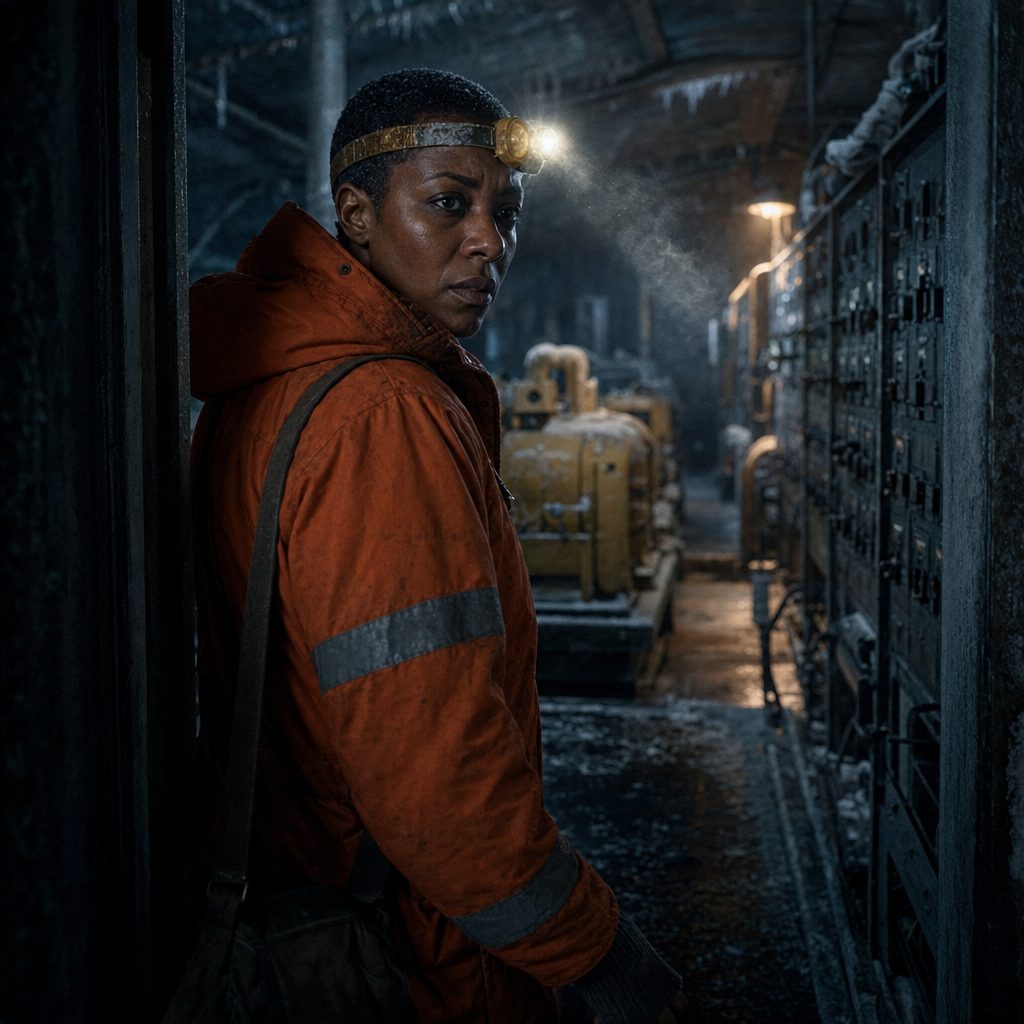
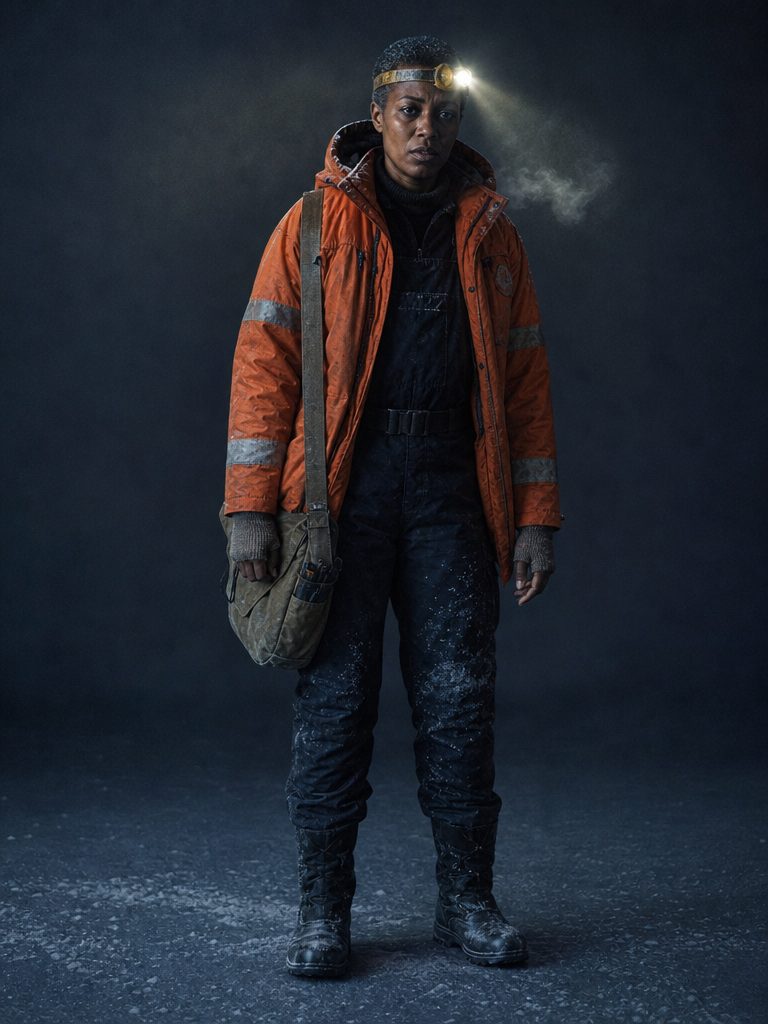
The first thing the studio does with your description is not film anything. It writes a production bible: the genre and visual style, the world with named places, the rules of play (what you can do, what counts as progress, what causes setbacks), two to four characters with repeatable visual descriptions, and a director's prompt that says all of this in the present tense. Then it paints a reference image for every character and key place, and composes the opening shot from them.
Why write a bible before filming?
Because the video model only sees text and one image. Anything that must stay consistent (the scar over an eyebrow, the colour of a coat, which side of the river the enemy holds) has to be written down, concretely, and said again in every prompt that matters. A human director carries that in their head. Here it is a document, and a second model reads it every time you make a move.
That second model is the live director. When you type "throw the main breaker switch", it does not pass those words straight to the camera. It reads the bible, the last few beats, and your move, and writes the next scene: what happens, what it looks like, one camera cue, one sound cue, and a beat that invites the next decision. Your move is law. If you ask for a rocket pack in a medieval battle, you get a rocket pack in a medieval battle. It is your dream.
What does playing feel like?
Slower than a game and faster than you expect. The clip you are watching was decided a few seconds ago; the clip after it is being decided now. So you learn to direct slightly ahead, the way you would call a play rather than steer a car. Every session is recorded with your moves as captions, and the recordings appear on the public gallery at dream.vbgnt.com, so a dream you played at midnight is something a friend can watch in the morning.
What it does badly today
This is an alpha prototype and it shows. A session runs for about two minutes before the stream stops and you continue from the last frame, which means a story arrives in chapters. A move takes several seconds to reach the screen. The film sometimes ignores a detail the bible was clear about. There is no world state yet: the dream remembers the last few beats as text, not as facts, so a door you closed can be open again in the next scene. And it costs real money per second of film, which is why the studio is invite-only.
None of these are mysteries. They are the current shape of the tools, and each one has a next step we can see. The super dream is the first of them: a real game engine that keeps the state, hidden behind the film.
Frequently asked questions
What is a dream on vbgnt?
An interactive movie. You describe a game in a paragraph; the studio writes a production bible, paints reference images for the cast and places, composes an opening shot, and then a realtime video model films the movie in short clips while you direct it by typing or speaking your moves.
How long does a dream session last?
About two minutes of film per session in the current alpha, after which the stream stops and you can continue from the last frame with a recap. Every session is recorded and appears in the public gallery with your moves as captions.
Can I watch other people's dreams?
Yes. Every dream played so far is listed on dream.vbgnt.com with each recorded session separately, playable with the player's moves shown as captions and a clickable timeline.
Does the dream remember what happened?
Only loosely. The director model keeps the last several scene prompts as context, and the live director sees the last few beats as text. There is no world state yet, which is the first thing on the list and what super dreams begin to fix.