The weakness of a dream is that nothing underneath it is true. The film looks like a game, but there is no position, no health, no door that is either open or closed. The video model remembers a few sentences and improvises the rest. A super dream fixes that the blunt way: it puts a real game underneath the film.
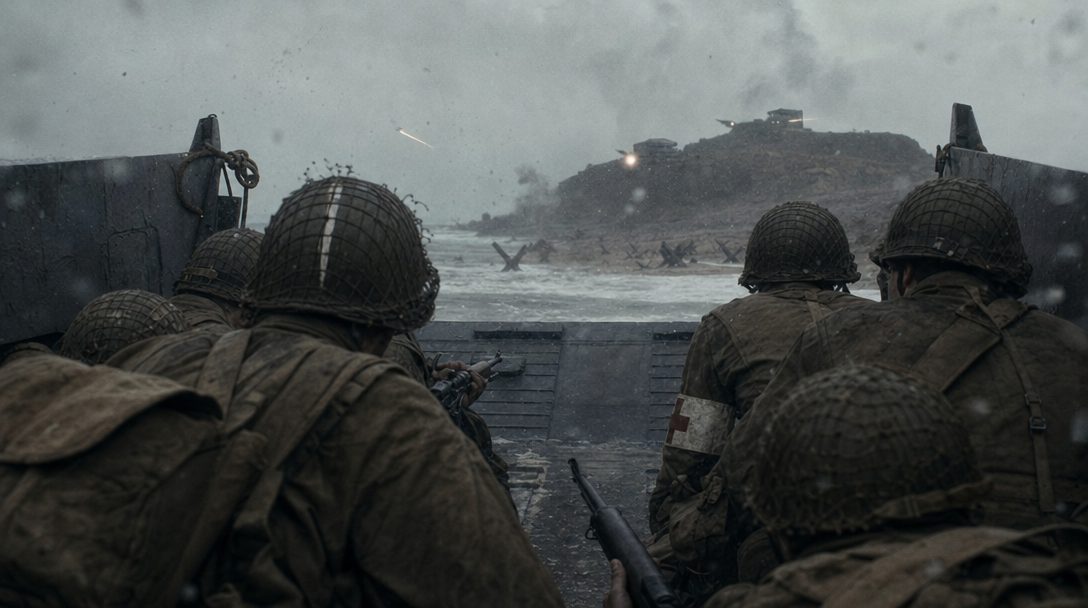
What is a super dream?
A super dream is a placeholder game and a live film of it. When you ask for one, the studio builds two things in a single turn. First, a small Godot game with real mechanics and deliberately crude graphics: coloured shapes, flat backgrounds, clear silhouettes, keyboard and touch controls. Second, the same world bible and cast a plain dream gets. The game becomes the hidden engine. You play it, and the video director films it.
The link between the two is a small bridge inside the game. Several times a second it reports what is on screen: a sentence about the place, the player and what they are doing, the other characters and their state, the last few things that happened. It also composes a short prose description of the current shot from all that. Every clip, the page hands that description to the director as the next prompt. There is no language model in that loop. The game already knows what is happening, so it just says so.
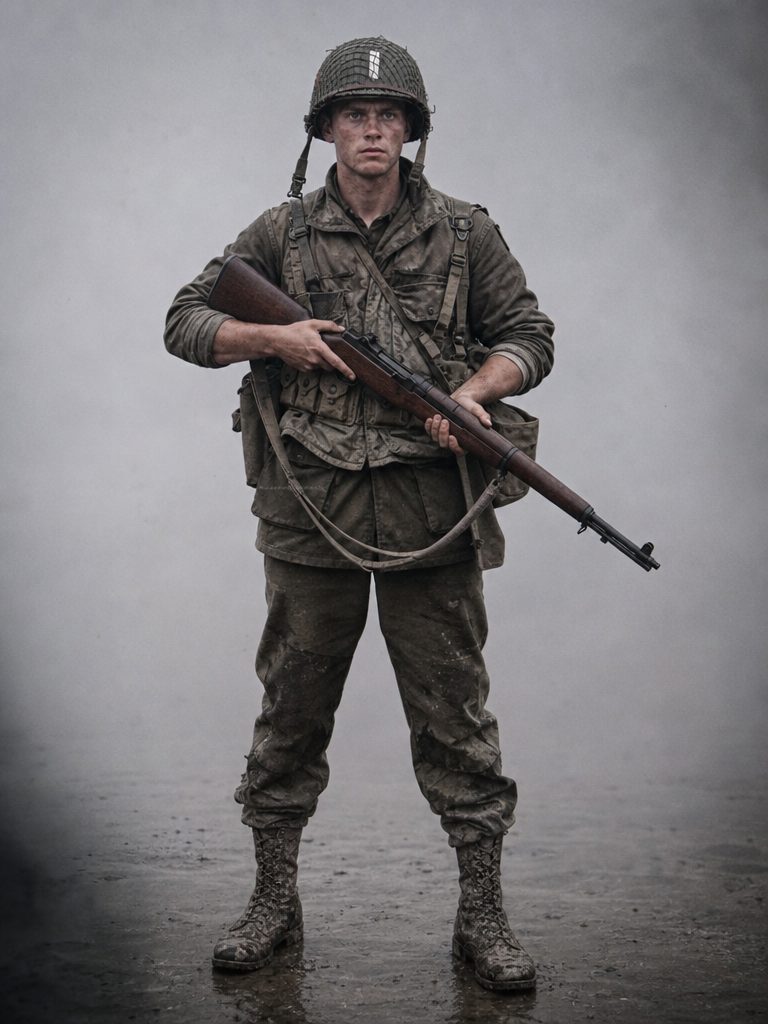
Why placeholder graphics?
Because the game is not the display. Its job is to be right about the state: where things are, what just happened, whether the ramp is down. The film's job is to look like something. Splitting those two jobs is the whole idea. Game engines have spent decades making state and rendering the same problem, and it made rendering the expensive part. Here the renderer is a director that paints from a description, so the engine can go back to being a rulebook with shapes.
Watching the lag
The film trails the game. The clip you see was shot from a state several seconds old, and your controls are moving a state the camera has not reached yet. Rather than hide that, the page draws it: a wireframe layer over the film marks where the game says the player and the other characters are now, against where they were when the playing clip was shot, with a badge that says how far behind the film is. You can also flip the layout to show the raw placeholder game under the film, or the game on its own. The gap is the honest measure of how far this is from a real-time renderer, and watching it shrink is how we will know the tools are catching up.
Playing together
Super dreams can be multiplayer. The studio's existing online play (rooms, four-letter codes, invite links, one player hosting) works unchanged, because the placeholder game is an ordinary vbgnt game. Each player's page films its own view of the shared world, so two people in the same battle get two films of the same events from two places.
What it does badly today
Everything a plain dream does badly, plus its own problems. The film is ten or so seconds behind the controls, which makes fast games feel like watching a replay of yourself. A description is only as good as the game that wrote it, and a game built in one turn sometimes describes a scene thinly. The director occasionally paints a character the bridge did not mention. And a super dream costs a game build plus film time.
Still, it is the first version of something we have wanted since the first dream: a game that is actually a game, wearing a film. The next steps are in the alpha notes.
Frequently asked questions
Why does the game use placeholder graphics?
Because the game is not the display. Its job is to be right about the state: positions, health, what just happened. The film's job is to look like something. Keeping the game crude keeps it fast to build and honest about what it is, and the director paints the look from the bible and the game's descriptions.
How does the game talk to the video director?
Through a small addon the studio installs in the game. Gameplay code tells it the scene, the player and what they are doing, the other characters, and events as they happen. On the web the addon posts a snapshot to the page several times a second; the page sends the game's prose description of the shot to the director for every clip.
Can I play a super dream with friends?
Yes, when it was built with multiplayer on. It uses the studio's normal online play: one player hosts, the others join with a four-letter code or an invite link. Every player's page films its own view.
Why is the film behind my controls?
The clip you see was shot from a state several seconds old, and the clip after it is being generated now. The page draws the gap as a wireframe layer and a badge so you can see it rather than guess. Shorter clips reduce it; faster models will reduce it more.