Two months ago the studio could turn a sentence into a playable game. Now it can turn a paragraph into a film that plays like one, and a game that is filmed while you play it. Both are alpha prototypes. This is a note about why we think they point somewhere, and what has to happen before anyone should call it a product.
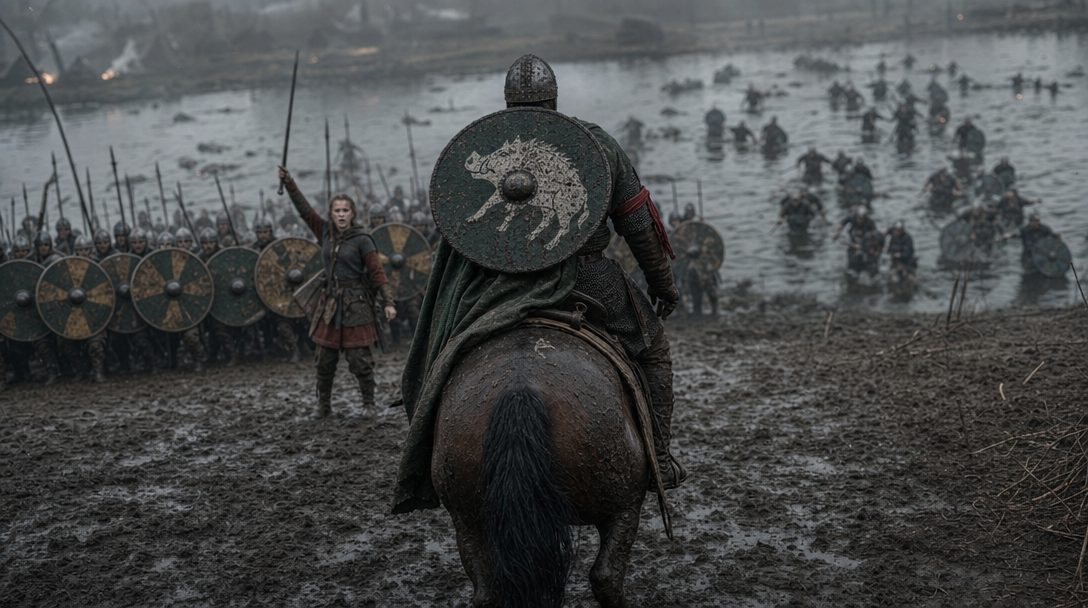
What changes when the renderer is a director?
A game engine renders what it is told to render, one triangle at a time. A video director renders what it is told about, one scene at a time. That difference sounds small and is not. The engine needs every asset made in advance: models, textures, animations, effects, all of it authored, imported and tuned. The director needs a description and a reference image, and it will paint rain on the cobbles because the bible said it was raining.
If that holds up, the expensive half of making a game stops being expensive. What is left is the interesting half: the rules, the state, the choices, the pacing. That is what a super dream is a first sketch of. The game is shapes and rules. The film is the look.
Why an alpha, and why now?
Because the tools crossed a line this year. Realtime video models that keep a character's face and a room's layout across scenes exist, they are rentable by the second, and they take live prompts mid-stream. They are also slow, short-lived and expensive: a session runs about two minutes, a clip takes seconds to arrive, and the meter runs per second of film. None of that is fatal for a prototype. All of it would be fatal for a product. So we built the prototype now, in public, on the same studio that builds ordinary games, and we are writing down what breaks.
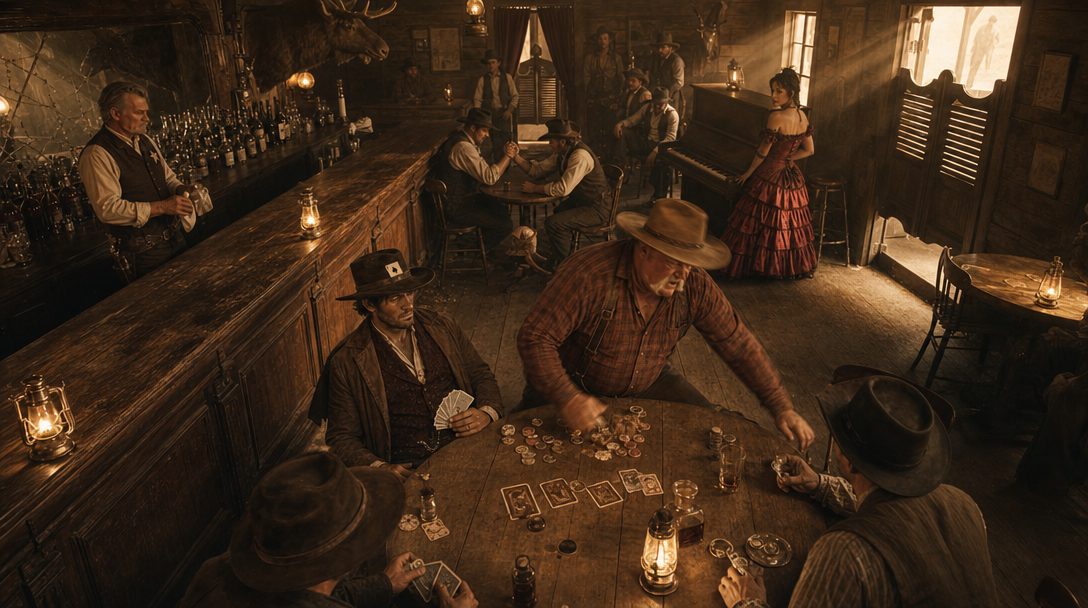
What breaks today
- Latency. A move lands on the next clip, and the next clip is a few seconds out. Shorter clips help and cost more compute per second of story.
- Chapters. Sessions stop after about two minutes and continue from the last frame. The story survives as a recap in text, so the film can drift.
- Memory. A plain dream has no state, only the last few beats. The super dream is the answer, and it is one turn old.
- Consistency. The bible says the coat is burgundy. The film mostly agrees.
- Cost. Film time is metered. This is why the studio is invite-only and why the gallery matters: a played dream is worth more watched than filmed once.
What comes next
In order. First, a world state for plain dreams: a small document of facts (who is where, what is open, what the player carries) that each move edits and each prompt restates, so a closed door stays closed. Second, cut scenes: the placeholder game running a scripted sequence with no input while the director films it, so a super dream can have an opening, a reveal, an ending. Third, the gap. Every improvement in the video models shrinks the seconds between your controls and the screen, and the ghost layer on a super dream is where we will watch that number fall.
Where to see it
The dreams played so far, with every session recorded and every move captioned, are on dream.vbgnt.com. Watch a few. Then imagine the lag at zero.
Frequently asked questions
Is Dream a real product?
No. It is an alpha prototype running on the vbgnt studio. It is invite-only because every second of film costs money, and every session so far is recorded and shown publicly on dream.vbgnt.com so people can judge it without paying for it.
Will video models replace game engines?
Not soon, and maybe not entirely. What the prototype suggests is a split: a game engine that keeps state and rules with placeholder graphics, and a video director that renders the look from a description. The super dream is that split, running today with a visible lag between the two.
What is the biggest problem right now?
Latency. A move lands on the next clip and clips take seconds to arrive, so the film trails the controls. Shorter clips help; faster models will help more. Sessions also stop after about two minutes and continue from the last frame.